Top 10 Fertilizer Distributors for Global Buyers?
Choosing the right fertilizer distributor can influence crop performance, delivery reliability, and long-term procurement costs. Global buyers need more than a polished website or a broad product catalog. They need verified specifications, consistent quality, responsive service, and clear shipping documentation.
This guide examines ten fertilizer distributors serving international markets. It considers product range, sourcing experience, quality controls, export capability, regional coverage, and customer support. Details such as nutrient analysis, packaging sizes, port access, minimum order quantities, and delivery schedules can shape a purchase decision. A distributor offering urea in 50-kilogram bags may suit one buyer, while another may require bulk shipments or customized blends.
Not every supplier fits every farm or importer. That matters.
Market rankings are never permanent. Prices change, freight conditions shift, and product availability can vary by season. Some distributors publish limited information, so buyers should request certificates of analysis, traceability records, and current compliance documents before ordering. Independent testing may also be sensible, especially for large-volume purchases.
The companies discussed here are intended as a practical starting point, not an automatic recommendation. Experienced buyers should compare quotations, payment terms, incoterms, insurance coverage, and after-sales support. They should also confirm that products meet destination-country requirements and local agronomic needs.
A reliable fertilizer distributor does more than move bags from a warehouse to a port. It helps buyers reduce uncertainty, protect crop inputs, and plan procurement with greater confidence. Mistakes still happen. Careful verification remains essential.
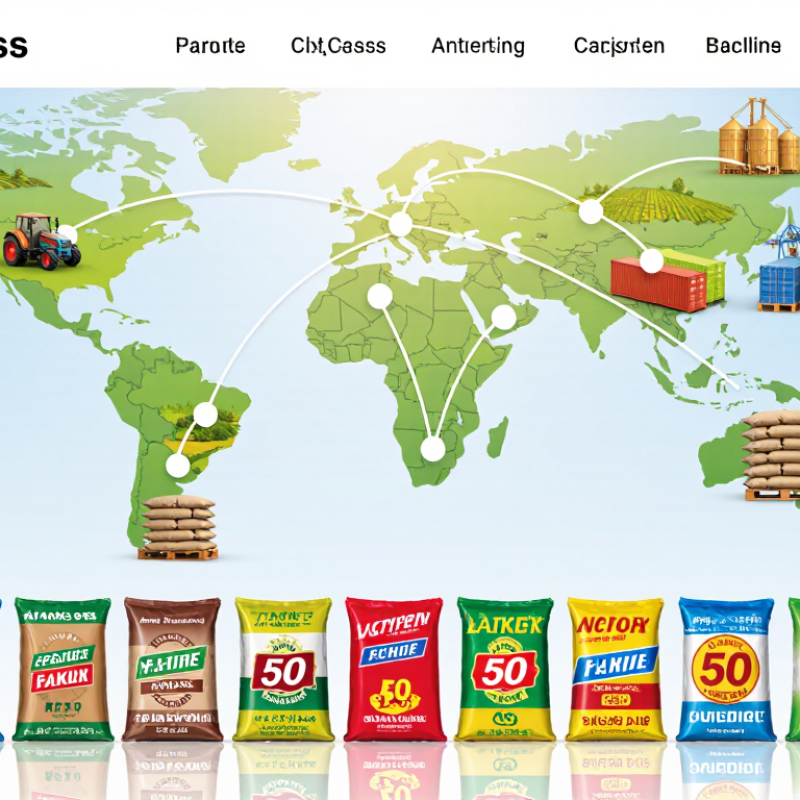
Defining the Role of Fertilizer Distributors in Global Trade
Top 10 Fertilizer Distributors for Global Buyers?
Defining the Role of Fertilizer Distributors in Global Trade
Fertilizer distributors do more than move products from factories to farms. They connect manufacturers, importers, retailers, and agricultural producers across difficult supply chains. Their work often begins with demand planning and product selection. They compare nutrient grades, granulation, packaging, and seasonal availability. Timing matters.
A capable distributor also manages warehousing, inland transport, port coordination, and export documentation. Moisture control is important because poor storage can cause caking, damaged bags, and inconsistent application. Reliable companies provide batch records, certificates of analysis, and clear product specifications. These details help buyers verify quality before a shipment reaches the field.
Distributors also offer practical market knowledge. They may understand local soil conditions, crop cycles, application rates, and buyer preferences. That knowledge can reduce costly purchasing errors. However, this role is not flawless. A distributor may misunderstand regional demand or depend too heavily on one supply route. Not always.
Global buyers should examine delivery performance, traceability systems, technical support, and communication habits. Price matters, but it cannot replace dependable documentation or stable service. Experienced buyers often request samples, inspect packaging, and clarify responsibility for delays before signing agreements. A distributor’s real value appears when conditions change, such as port congestion, currency pressure, or an unexpected planting season.
Key Criteria for Evaluating International Fertilizer Suppliers
Top 10 Fertilizer Distributors for Global Buyers?
Key Criteria for Evaluating International Fertilizer Suppliers
International fertilizer sourcing requires more than comparing quoted prices. Buyers should examine product consistency, nutrient analysis, and batch traceability. Request recent laboratory reports, safety documents, and export records before signing contracts. Independent testing can reveal moisture, impurities, or nutrient differences that sales documents may not show.
Reliable distributors explain their production sources and supply capacity clearly. They should confirm packaging sizes, loading methods, port handling, and expected delivery windows. Incoterms must match your team’s shipping experience and insurance responsibilities. Check whether the supplier can provide compliant labels and documents for your destination market. Regulations vary widely. A low offer may become expensive after duties, storage, inspection, and inland transport.
Payment terms also deserve careful review, especially for new commercial relationships. Use written specifications covering tolerances, rejection procedures, claims, and replacement timelines. Responsive communication matters when vessels are delayed or cargo arrives damaged. Experienced buyers often test a smaller shipment before expanding cooperation. It is not a perfect safeguard. Supplier capacity can change after a strong first order. I would also verify references, audit certificates, and the actual business address rather than relying on polished brochures. Watch the details. Ethical sourcing, transparent records, and realistic promises are stronger indicators of long-term reliability than aggressive discounts.
Top 10 Fertilizer Distributors for Global Buyers? - Key Criteria for Evaluating International Fertilizer Suppliers
A practical, brand-neutral evaluation framework for comparing international fertilizer distributors and suppliers
| No. | Evaluation Dimension | Buyer-Relevant Metric | Documents or Data to Request | Recommended Acceptance Benchmark |
|---|---|---|---|---|
| 1 | Legal Status and Export Capability | Years in operation, export registration, trading authorization, and destination-market eligibility | Certificate of incorporation, tax registration, export license where applicable, registered office details, and trade references | Verified legal entity Active registration and documented experience in cross-border fertilizer transactions |
| 2 | Product Portfolio | Availability of nitrogen, phosphate, potash, compound, water-soluble, micronutrient, and specialty fertilizers | Current product list, technical data sheets, nutrient grades, packaging formats, minimum order quantities, and product availability calendar | Multi-category coverage Products must match the buyer’s crop, soil, application method, and import requirements |
| 3 | Nutrient Specification Accuracy | Declared nutrient content, moisture, particle-size distribution, biuret where relevant, and contaminant limits | Recent certificate of analysis for each lot, product specification sheet, sampling procedure, and independent laboratory report | Lot-level conformity Every shipment should comply with the agreed specification and applicable destination regulations |
| 4 | Quality Management and Testing | Quality-control process from loading through delivery, including retained samples and complaint handling | Quality manual, laboratory accreditation details, inspection records, sampling plan, nonconformity procedure, and corrective-action reports | Independent verification Pre-shipment inspection and laboratory testing should be available for high-value or sensitive cargoes |
| 5 | Traceability and Supply Origin | Ability to identify producer, batch, loading location, shipment date, and chain of custody | Batch numbers, production or warehouse records, bill of lading, certificate of origin, packing list, and lot-tracking workflow | Full shipment traceability Each delivered lot should be traceable from source documentation to final consignee |
| 6 | Regulatory and Product Compliance | Compliance with fertilizer registration, labeling, safety, customs, and restricted-substance requirements | Safety Data Sheet, product labels, registration certificates where required, customs classification, and declarations of conformity | Destination-market compliance Documentation must satisfy the importing country before cargo is dispatched |
| 7 | Logistics and Port Performance | Typical lead time, annual shipping capacity, loading ports, warehouse access, and delivery reliability | Indicative shipping schedule, port information, warehouse locations, vessel or container options, historical on-time delivery data, and demurrage policy | Documented logistics plan Supplier should provide realistic lead times, clear shipping milestones, and contingency arrangements |
| 8 | Commercial Terms and Total Landed Cost | Product price plus freight, insurance, duties, port charges, inspection, financing, and inland transport | Formal quotation, Incoterms® 2020 rule, payment schedule, validity period, freight assumptions, packing charges, and all applicable fees | Comparable landed-cost offer Quotes should be evaluated on the same Incoterm, delivery point, currency, quantity, and specification |
| 9 | Financial Security and Transaction Risk | Payment protection, credit terms, ownership of goods, insurance coverage, and exposure to price volatility | Banking details verified through an independent channel, pro forma invoice, credit references, insurance certificate, and contract risk clauses | Controlled payment risk Use documented payment milestones, approved banking channels, inspection conditions, and clearly defined remedies |
| 10 | Sustainability, Safety, and Responsible Trade | Environmental management, worker safety, responsible sourcing, emissions information, and ethical business controls | Environmental and safety policies, incident records, responsible-sourcing statement, audit results, emissions data where available, and anti-bribery policy | Transparent risk controls Supplier should disclose material environmental, safety, sanctions, anti-corruption, and forced-labor risks |
Top 10 Fertilizer Distributors Serving Global Buyers
Global fertilizer distribution depends on more than shipment volume. The best distributors coordinate port access, inland transport, storage, and compliance documents. The International Fertilizer Association’s 2024 Medium-Term Fertilizer Outlook expects global nutrient demand to approach 191 million tonnes by 2028. That scale increases pressure on distributors to maintain reliable supply during seasonal peaks.
Experienced buyers should examine the distributor’s warehouse controls, product certificates, and delivery history. A practical supplier can provide batch-level analysis, moisture data, packing options, and clear Incoterms. Buyers may also compare shipment performance through customs records and independent trade databases. The World Bank’s Commodity Markets Outlook continues to show volatility across energy and agricultural inputs, making transparent price formulas increasingly important. Small details matter. A delayed container can disrupt an entire planting schedule.
A top-ten list should therefore measure service quality, not popularity alone. Distributors serving global buyers should understand local registration rules and destination-country labeling requirements. They should also explain whether products move through bulk terminals, bagged warehouses, or direct farm channels. FAO market reports repeatedly link fertilizer affordability with food-production decisions, especially in import-dependent regions. Still, rankings can mislead when data is incomplete. I would review at least three years of delivery records, although many buyers do not. Reliable sourcing is rarely perfect; it is documented, traceable, and open about its weak points.
Regional Coverage and Product Strengths of Leading Distributors
Global fertilizer buyers often compare distributors by regional reach, storage capacity, and technical support. A strong distributor may operate near deep-water ports, inland terminals, and farming zones. This reduces delivery delays during planting seasons. Local warehouses also help manage bulk shipments, palletized bags, and smaller farm orders.
Product strength varies by market. Some distributors focus on nitrogen fertilizers for wheat and maize. Others provide phosphate, potash, blended NPK products, or water-soluble fertilizers for protected crops. In dry regions, controlled-release products can reduce application losses. In intensive horticulture, micronutrient blends and fertigation support may matter more than volume.
Buyers should request recent certificates, batch records, and clear nutrient specifications. Traceability is not exciting, but it prevents expensive disputes.
Regional knowledge adds practical value. Experienced teams understand soil testing, import procedures, seasonal demand, and local storage limits. They can recommend delivery schedules around port congestion or heavy rainfall.
Still, no distributor is strongest everywhere. A ranking can mislead when it ignores service quality, payment terms, or emergency stock. I would compare at least three suppliers in each target region, then verify references from farms with similar crops and climate.
Price matters. Reliability matters more.
How Global Buyers Can Select the Right Fertilizer Distributor
Top 10 Fertilizer Distributors for Global Buyers?
How Global Buyers Can Select the Right Fertilizer Distributor
Choosing a fertilizer distributor requires more than comparing quoted prices. Buyers should check product specifications, batch consistency, delivery records, and support after shipment. A reliable distributor can provide current certificates of analysis, safety documents, and clear traceability from warehouse to port. Ask for evidence. Vague answers deserve caution.
Practical experience matters during supplier evaluation. Request samples that match the proposed shipment, then compare nutrient content, granule size, moisture, and packaging strength. A 25-kilogram bag may look acceptable during inspection but fail after humid storage. Confirm warehouse conditions, container loading methods, and protection against water damage. Details matter. References from comparable markets can reveal delayed documents or repeated quality claims.
Commercial terms also need careful review. Check minimum order quantities, lead times, payment stages, insurance responsibilities, and delivery terms. The distributor should understand import requirements in the destination country and provide accurate paperwork without promising shortcuts. Independent testing may be worthwhile for large orders. It adds cost, but one failed shipment costs more. No distributor is perfect, and buyers should record weaknesses openly instead of relying on polished presentations. A strong selection process combines verified performance, technical knowledge, transparent communication, and realistic risk planning.
Top 10 Fertilizer Distributors for Global Buyers?
How Global Buyers Can Select the Right Fertilizer Distributor
This buyer-side benchmark ranks the ten most important distributor-selection criteria on a 100-point weighted index. Product quality, regulatory compliance, dependable supply, logistics capability, and transparent pricing are typically central to international fertilizer procurement. The index is a practical evaluation framework and does not rank individual companies or brands.
Related Posts
-
How to Improve Fertilizer Application for Crop Growth?
-

Who Are the Top Fertilizer Distributors in China?
-

2026 Top Insights into Fertilizer Factory Innovations and Trends
-

10 Essential Tips for Choosing the Right Fertilizer Company?
-

How to Start Organic Fertilizer Production at Home?
-
How to Successfully Buy Wholesale Fertilizer for Your Agricultural Needs