
How to Find Reliable Fertilizer Suppliers Worldwide?
Finding dependable fertilizer suppliers worldwide requires more than comparing prices on a marketplace. Product quality, delivery reliability, technical support, and transparent documentation all matter. A supplier may offer an attractive quote, yet the fertilizer could arrive with inconsistent granulation, unclear nutrient analysis, or unsuitable packaging. That difference becomes visible in a field, not on a spreadsheet.
A practical evaluation starts with product specifications. Check nutrient percentages, raw material origins, batch numbers, safety data sheets, certificates of analysis, and quality-control procedures. Request a recent sample when possible. An independent laboratory can verify nitrogen, phosphate, potassium, moisture, and contaminants before a large purchase. Supplier references also deserve attention. Speak with agricultural distributors or farm operators who have received comparable products. Their experience may reveal delays that sales materials never mention.
Trade records, factory audits, export experience, and clear communication strengthen credibility. Confirm shipping terms, payment conditions, insurance, customs documents, and realistic lead times in writing. Regional agronomists can help determine whether a formulation suits local soil and crops. However, no checklist removes every risk. Some reputable fertilizer suppliers have modest websites, while polished companies may provide weak after-sales support. That is easy to overlook. A cautious buyer should compare evidence, test small orders, and document every decision. Reliable partnerships grow through repeated performance, honest problem reporting, and measurable results rather than promises alone.
Define Your Fertilizer Requirements and Supplier Criteria
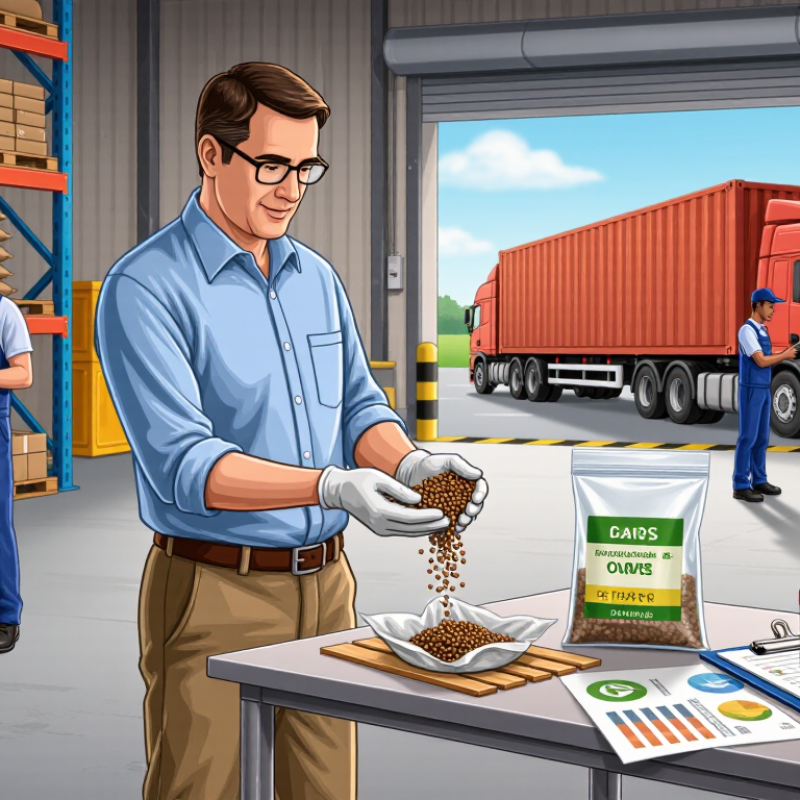
Before contacting suppliers, write a precise fertilizer specification for each crop, soil type, and application method. Identify the required nutrient analysis, such as nitrogen, phosphate, and potash percentages. State whether nutrients must be water-soluble, slow-release, or suitable for fertigation. Add limits for moisture, particle size, caking, dust, and packaging. Include monthly volume, delivery destination, shipment window, and acceptable trade terms. Request batch-specific certificates of analysis, safety data, and traceability records. Do not rely on a product name alone. Crop needs vary sharply.
Supplier criteria should be measurable. Check legal registration, export experience, production capacity, quality controls, and documented environmental practices. Ask how the supplier handles rejected batches and unexpected port delays. Require independent laboratory testing for an initial sample and selected future lots. Compare test results with the certificate, not just the quotation. Verify references from buyers with similar climates and order sizes. In practical sourcing, a clean website proves little. Price can mislead. An unusually low offer may exclude testing, insurance, or inland transport. A requirement can be technically correct yet commercially impractical, so review it after receiving real quotations. Also question whether your volume forecast is realistic. Suppliers need clear information, not optimistic guesses.
How to Find Reliable Fertilizer Suppliers Worldwide? - Define Your Fertilizer Requirements and Supplier Criteria
| Requirement Area | Measurable Product or Supplier Benchmark | Evidence to Request | Acceptance Check | Why It Matters |
|---|---|---|---|---|
| Fertilizer Type and Nutrient Formula |
Match the declared nutrient grade to the purchase specification. Examples of widely traded grades include urea 46-0-0, DAP 18-46-0, and MOP 0-0-60. |
Technical data sheet, product label, recent certificate of analysis, and product specification sheet. | Confirm that the guaranteed nitrogen, phosphate, and potash values are stated on the same measurement basis required by the destination market. | Prevents the purchase of a product with the wrong nutrient balance or an unsuitable application profile. |
| Nutrient Verification | The guaranteed analysis should identify total nitrogen, available phosphate expressed as P2O5, and soluble potash expressed as K2O where applicable. | Batch-specific COA showing laboratory results, test methods, sampling date, batch number, and authorized approval. | Compare laboratory results with the contract tolerance and the legal labeling requirements of the importing country. | Ensures that the delivered nutrient content supports the buyer's agronomic and commercial requirements. |
| Physical Quality | Define particle size, color, free-flowing behavior, caking limit, and dust tolerance. A common commercial requirement is a specified proportion of granules within a buyer-defined size range, such as 2–4 mm. | Physical specification, sieve-analysis report, photographs of the actual cargo, and loading inspection record. | Set an exact size tolerance and reject or discount material that contains excessive fines, lumps, or foreign matter. | Consistent granulation improves spreading accuracy, storage handling, and application performance. |
| Moisture and Caking Control | Agree on a maximum moisture level and define whether anti-caking treatment is permitted. The limit must be product-specific and written into the contract. | COA, moisture test results, storage-condition statement, and details of any conditioning treatment. | Use an agreed test method and verify moisture at the production site, loading point, or destination according to the contract. | Excess moisture can cause caking, blocked equipment, weight variation, and higher handling costs. |
| Contaminant and Safety Control | The product must comply with destination-country limits for heavy metals, chloride, biuret, free acidity, and other product-specific contaminants. | Accredited-laboratory test report, safety data sheet, contaminant declaration, and regulatory compliance statement. | Compare every relevant contaminant result with the importing country's current legal threshold before placing the order. | Reduces environmental, crop-safety, worker-safety, and customs-compliance risks. |
| Quality Management System | Prefer suppliers with a documented quality management system, controlled production records, corrective-action procedures, and batch traceability. | Valid quality-management certificate where applicable, quality manual extract, audit summary, and corrective-action records. | Check certificate validity, certification scope, production site, and whether the certificate covers the supplied product. | A controlled system makes product consistency and problem resolution more reliable. |
| Independent Inspection | Use independent pre-shipment inspection for material value, quality, quantity, packaging, and loading condition when order risk is significant. | Inspection appointment, sampling plan, final inspection report, seal record, and photographic evidence. | Define the inspector's authority, sampling standard, testing laboratory, and procedure for handling non-conforming cargo. | Independent verification reduces disputes between buyer, supplier, carrier, and insurer. |
| Packaging and Marking | Specify bag material, net weight, palletization, stitching, moisture protection, label language, batch number, production date, and country-of-origin information. | Approved packaging artwork, packing specification, sample bag, and loading photographs. | Verify that markings are legible, durable, legally compliant, and consistent with the commercial invoice and packing list. | Proper packaging protects product quality and supports customs clearance and warehouse traceability. |
| Safety Data and Handling | A current Safety Data Sheet should be available in the required language and should cover hazards, personal protection, storage, transport, spill response, and disposal. | Current SDS, emergency contact details, handling instructions, and transport classification where applicable. | Confirm that the SDS identifies the exact product and is consistent with the product label and shipment documents. | Supports safe storage, worker training, emergency response, and regulatory compliance. |
| Supplier Capacity and Continuity | Assess production or allocation capacity, normal monthly availability, minimum order quantity, lead time, and ability to supply during seasonal demand peaks. | Written capacity statement, historical delivery references without confidential information, production schedule, and contingency plan. | Compare the offered quantity with the supplier's documented allocation and require an escalation process for delays. | Helps prevent shortages during planting seasons and reduces dependence on unsupported supply promises. |
| Logistics and Delivery Terms | Define the delivery location, Incoterms® 2020 rule, shipment window, port requirements, freight responsibility, demurrage responsibility, and acceptable partial shipment conditions. | Quotation, pro forma invoice, shipping schedule, loading-port details, and draft sales contract. | Ensure the price, risk transfer point, insurance responsibility, and document obligations are unambiguous. | Clear logistics terms reduce unexpected freight, storage, insurance, and port charges. |
| Trade Documentation | The supplier should be able to provide consistent commercial and shipping documents, including commercial invoice, packing list, certificate of origin, bill of lading, COA, and SDS when required. | An anonymized sample document set from a previous shipment and a document checklist for the destination country. | Check that product description, quantity, batch number, weights, origin, and consignee details match across all documents. | Accurate documentation supports customs clearance, payment release, insurance claims, and traceability. |
| Regulatory Registration | Verify whether fertilizer registration, importer authorization, labeling approval, environmental assessment, or pre-arrival notification is required in the destination country. | Registration number where legally required, conformity statement, approved label, and importer compliance checklist. | Confirm the product and grade are permitted for import and sale before signing the purchase contract. | Prevents cargo detention, re-export, penalties, and loss of market access. |
| Commercial and Payment Risk | Compare total landed cost rather than headline price, including product price, freight, inspection, insurance, port charges, duties, taxes, inland transport, and financing cost. | Itemized quotation, payment terms, bank information on official documents, validity period, and full landed-cost calculation. | Use staged payment or documentary controls for new suppliers and avoid paying for undocumented charges. | A low quoted price may become expensive after logistics, quality failures, delays, or compliance costs are included. |
| Contract Protection | Include specifications, sampling method, inspection point, tolerance, claim period, replacement or refund remedy, delay responsibility, force majeure, and dispute-resolution terms. | Draft sales contract, quality annex, claim procedure, and agreed testing protocol. | Require both parties to sign the same technical specification and define which test result controls in a dispute. | Precise contractual terms convert quality expectations into enforceable obligations. |
| Supplier Evaluation Score | Use a weighted scorecard: product quality 30%, regulatory compliance 20%, delivery reliability 20%, landed cost 15%, documentation 10%, and communication 5%. | Completed supplier questionnaire, verification records, inspection results, and documented quotations. | Set a minimum passing score and disqualifying conditions, such as missing regulatory documents or unverifiable laboratory results. | A structured scorecard limits subjective decisions and makes supplier comparisons more consistent worldwide. |
Note: Product specifications, contaminant limits, labeling rules, import registrations, and required documents vary by fertilizer type and destination country. Final requirements should be confirmed with the competent authority, importer, customs broker, and an independent laboratory before shipment.
Related Posts
-
Top 10 Fertilizer Companies Worldwide for Global Buyers
-
2026 Best Fertilizer Shop Near Me for Global Buyers?
-
Top 10 Fertilizer Stores Near Me Which One Is Best?
-
How to Buy Fertilizer Online from Top China Suppliers?
-
What is the Role of Wholesale Fertilizer Suppliers?
-
What Are the Factors Affecting Fertilizer Cost Globally?