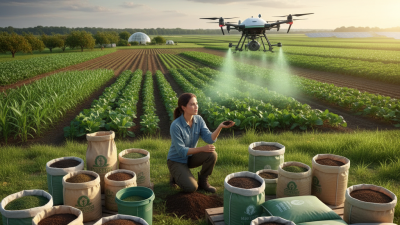
Top 10 Green Fertilizer Options for Sustainable Farming?

Sustainable farming is crucial in addressing global food security and environmental challenges. The demand for green fertilizer is rising. According to a report by MarketsandMarkets, the global green fertilizer market is projected to reach $6.7 billion by 2026, growing at a CAGR of 12.3%. This growth reflects a shift towards environmentally-friendly farming practices. Farmers are increasingly aware of the importance of soil health.

Green fertilizers, such as compost, green manure, and biofertilizers, enhance soil fertility naturally. They minimize chemical runoff and promote biodiversity. The adoption of green fertilizers can reduce dependency on synthetic fertilizers. Sustainable practices lead to improved yields and healthier ecosystems. However, there are challenges, including variability in nutrient content and slower release rates compared to conventional fertilizers.

Farmers must evaluate performance and determine suitability for their crops. A balanced approach is often necessary. Combining green fertilizers with traditional methods can optimize growth. Transitioning to sustainable practices may require time and resources. The journey towards sustainability is ongoing and filled with learning opportunities. Embracing green fertilizers is an essential step for a resilient agricultural future.
Top 10 Green Fertilizer Options for Sustainable Farming?

Top 10 Green Fertilizer Options for Sustainable Farming

Sustainable farming is increasingly vital as agricultural demands rise. Green fertilizers offer eco-friendly alternatives to synthetic options. According to the Food and Agriculture Organization (FAO), organic fertilizers can enhance soil nutrient levels and microbial activity. They also support biodiversity, promoting healthier ecosystems.

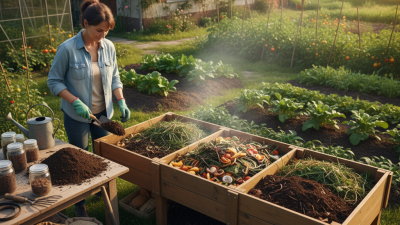
Compost is one of the most popular green fertilizers. It returns valuable organic matter to the soil, improving its structure and water retention. Research highlights that compost can increase crop yields by 10-20%. Another option is green manure, a cover crop that enriches the soil when tilled. Data suggests that green manures can double nitrogen availability in certain conditions.

Biochar is gaining attention for its ability to sequester carbon. Studies show it can improve soil fertility and retain moisture, making it a dual-purpose solution. However, its production process requires energy, raising questions about its overall sustainability. These options illustrate the evolving landscape of agriculture and the need for continuous reflection on their impacts.
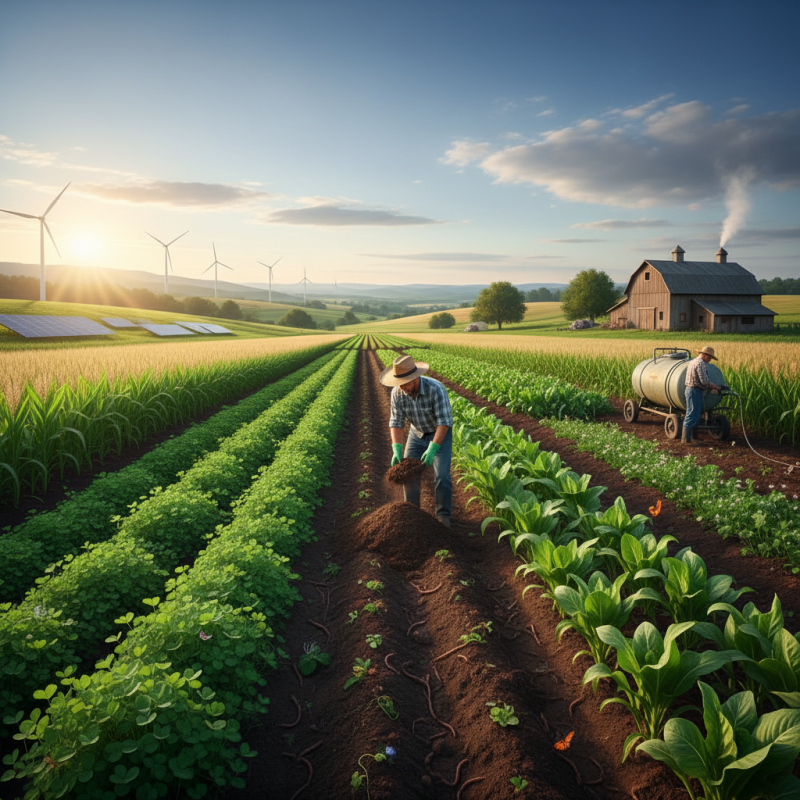
Top 10 Green Fertilizer Options for Sustainable Farming

Understanding the Importance of Green Fertilizers in Agriculture Sustainability

Sustainable farming relies heavily on the use of green fertilizers. These organic alternatives play a critical role in enhancing soil health and crop productivity. According to a report by the Food and Agriculture Organization, organic farming can increase yields by 20% to 40% in the long term compared to conventional methods. This demonstrates that green fertilizers not only boost productivity but also promote environmental well-being.

Moreover, green fertilizers help address the growing concern of soil degradation. The Soil Association reports that approximately 30% of global soils are degraded. By using green fertilizers, farmers can improve soil structure and increase its ability to retain moisture. This is vital for maintaining crop health amidst climate change. It’s essential, however, for farmers to choose the right green fertilizer to avoid over-application. Doing so may lead to nutrient imbalances and can harm local ecosystems.

Community awareness around these fertilizers is increasing, yet it remains inconsistent. The lack of knowledge can lead to improper use. Farmers must be educated on application techniques and timing to maximize benefits. Continuous research is crucial. As we strive for sustainable agriculture, understanding green fertilizers’ role is vital for future food security. It's a shared responsibility to ensure that practices evolve with ecological demands while meeting our food needs.

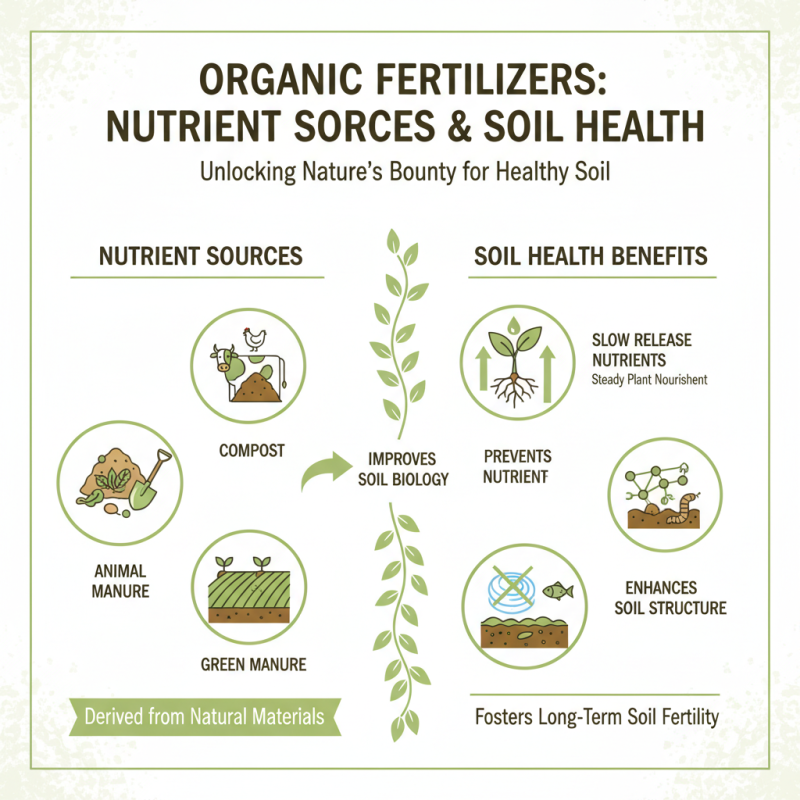
Examining Organic Fertilizers: Nutrient Sources and Soil Health Benefits

Top 10 Green Fertilizer Options for Sustainable Farming?

When exploring organic fertilizers, the focus is on nutrient sources. Organic fertilizers derive nutrients from natural materials, enhancing soil health. Examples include compost, animal manure, and green manure. These options release nutrients slowly, providing a steady supply to plants. This slow release can prevent nutrient runoff into waterways and enhances soil structure.

Using organic fertilizers often brings additional benefits to soil health. They can improve soil organic matter, which helps retain moisture and promotes beneficial microbial activity. Healthy soil fosters better root growth and improves nutrient uptake. However, it’s important to note that not all organic fertilizers are equal. Some may contain herbicides or pathogens that can affect plant growth.

Balancing nutrient needs is crucial. Too much organic matter can lead to nutrient imbalances. Regular soil testing helps determine the correct amounts needed. Organic fertilizers can sometimes be inconsistent in nutrient content, challenging farmers. These factors require careful consideration and ongoing management for sustainable farming practices.

Comparative Analysis of Green Fertilizers: Cost-Effectiveness and Yield Impact

Green fertilizers offer a sustainable alternative to conventional options. They enhance soil health and boost nutrient levels while minimizing environmental impact. However, their cost-effectiveness can vary. Some natural fertilizers are more affordable but might yield less. Others, although pricier, significantly increase crop production.

Tips: Consider the specific nutrient needs of your crops. Test your soil before selecting a fertilizer. This will help you make informed decisions based on actual conditions.

When comparing green fertilizers, look at the long-term benefits versus upfront costs. Organic options, like compost, provide valuable microorganisms but may take time to show results. In contrast, liquid seaweed fertilizers can deliver quick nutrient boosts but often come at a higher price.

Tips: Keep track of your yields and input costs when using different fertilizers. This will help you assess which options work best for your farm. Regularly evaluate the impact on soil health and productivity. Adjust accordingly to maximize efficiency.

Innovative Practices in Green Fertilizer Application and Their Results

Top 10 Green Fertilizer Options for Sustainable Farming?

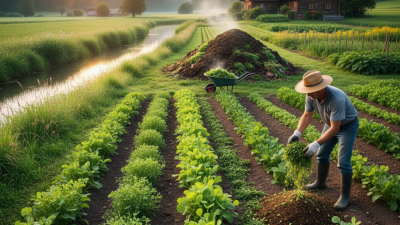
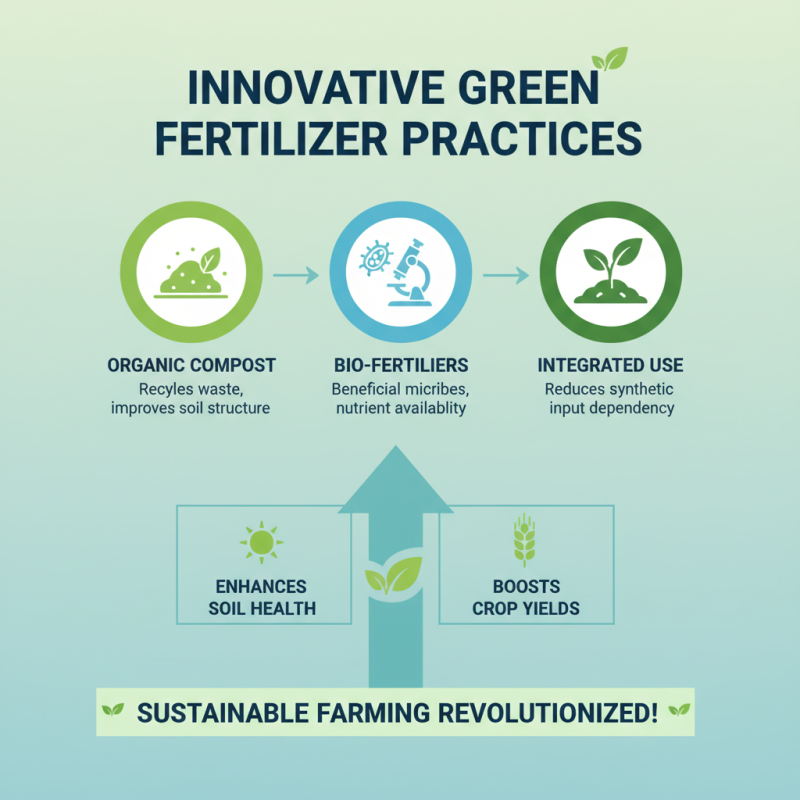
Innovative practices in green fertilizer application are transforming sustainable farming. Farmers are increasingly adopting organic compost and bio-fertilizers. These options not only enhance soil health but also boost crop yields. Research shows that integrating green fertilizers can reduce dependency on synthetic inputs, which is commendable.

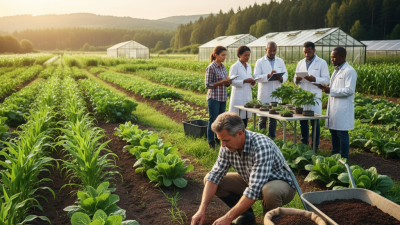
It’s vital to test soil health before applying green fertilizers. Regular soil assessments can reveal nutrient deficiencies. This helps tailor fertilizer applications to specific crop needs. In some cases, results may vary. Not every crop responds similarly to green fertilizers. Some farmers report minimal yield increases at times.

Tips: Make use of crop rotation to improve soil fertility. Incorporating legumes can naturally enhance nitrogen levels. This can lessen fertilizer costs in the long run. Monitoring crop response to green fertilizers is essential. Collect data to understand what works best in your unique conditions.

Conclusion

The article "Top 10 Green Fertilizer Options for Sustainable Farming" emphasizes the critical role of green fertilizers in promoting agricultural sustainability. It outlines the significance of organic fertilizers, which not only provide essential nutrients but also enhance soil health. By comparing various green fertilizer options, the article highlights their cost-effectiveness and impact on crop yield, supporting farmers in making informed decisions.

Furthermore, the discussion includes innovative practices in applying green fertilizers, showcasing successful results from sustainable farming techniques. It also anticipates future trends in sustainable fertilization, noting the emergence of new green technologies that will further advance eco-friendly agriculture. Overall, the article presents a comprehensive overview of green fertilizer options and their contributions to more sustainable farming practices.