Top Fertilizer Companies in China for Global Buyers?
In recent years, the global demand for agricultural products has surged. This surge has encouraged numerous fertilizer companies in China to emerge as key players in the market. These companies provide essential nutrients for crops, ensuring food security worldwide.
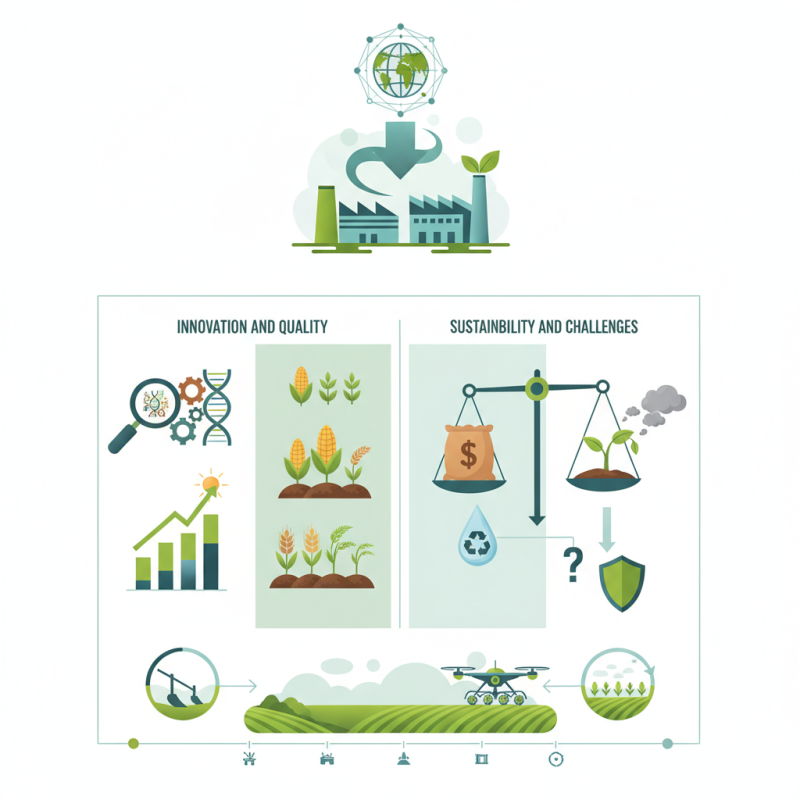
Chinese fertilizer companies are known for their innovation and quality. They invest heavily in research and development. This allows them to create effective fertilizers tailored to various crops and regions. However, not all companies maintain the same standards. Some may prioritize profit over sustainability, raising concerns about long-term environmental impacts.
Understanding the strengths and weaknesses of each fertilizer company is vital for buyers. Choosing the right supplier can directly affect crop yields and farm profits. By examining the leading fertilizer companies in China, global buyers can make informed decisions that balance quality and sustainability. As the industry evolves, keeping up with these changes will prove essential.
Top Fertilizer Companies in China for Global Buyers
When exploring the fertilizer market in China, global buyers must understand the competitive landscape. China's fertilizer industry is vast and diverse, producing various products, including nitrogen, phosphate, and potash fertilizers. Many companies have established themselves as leaders in the market.
In this complex arena, selecting the right partner can be challenging. Global buyers should consider the company’s experience and authority in the industry. Research supplier backgrounds and their production capabilities. Evaluate their commitment to sustainability, as this factor is becoming increasingly essential.
Tips: Always ask for samples to assess product quality before making large orders. Look for suppliers that have international certifications. It’s wise to read reviews and connect with other buyers for firsthand insights.
Also, consider the reliability of shipping options. Logistics play a crucial role in the fertilizer supply chain. Delays can affect agricultural planning and crop yields. Therefore, ensure your chosen company has a robust distribution network in place.
Overview of China's Fertilizer Industry Landscape
China's fertilizer industry has evolved significantly over the years. It plays a crucial role in global agriculture. The country is one of the largest producers and consumers of fertilizers. This vast market attracts buyers from all over the world. Chinese companies dominate the nitrogen, phosphate, and potash segments.
The industry faces challenges, such as environmental concerns and regulatory pressures. Many companies are now focusing on sustainable practices. They aim to reduce their carbon footprints. This shift is necessary for long-term viability. Meanwhile, constant innovation is essential to meet increasing global demand. The industry must adapt to changing agricultural techniques and consumer preferences.
Quality and reliability remain critical for buyers. Understanding the complexities of the market is vital. Different regions have unique needs and regulations. Continuous improvements in production and safety standards are essential. Buyers need to stay informed about these dynamics. Accessing this information can lead to better partnerships.
Major Fertilizer Types Produced by Chinese Companies
China is a significant player in the global fertilizer market, producing a variety of essential types. The industry generates around 60% of the world's nitrogen fertilizers, a crucial component for crop growth. This includes urea and ammonium nitrate, widely used by farmers worldwide. Both types are vital for boosting crop yields and improving soil fertility.
Phosphate fertilizers are another critical product. China accounts for approximately 43% of global phosphate fertilizer production. This category includes monoammonium phosphate (MAP) and diammonium phosphate (DAP). These fertilizers are known for enhancing root development and increasing plant resistance to stress. The demand for phosphate fertilizers has been rising, driven by global food security concerns.
Potash, though less produced in China, is also important. The country primarily imports potash but produces a smaller amount for domestic needs. The reliance on imports raises questions about long-term sustainability. The market is experiencing fluctuations, reflecting the uncertainties in global supply chains. Moreover, environmental regulations are evolving, impacting production methods and costs. This makes it essential for stakeholders to stay informed and adapt.
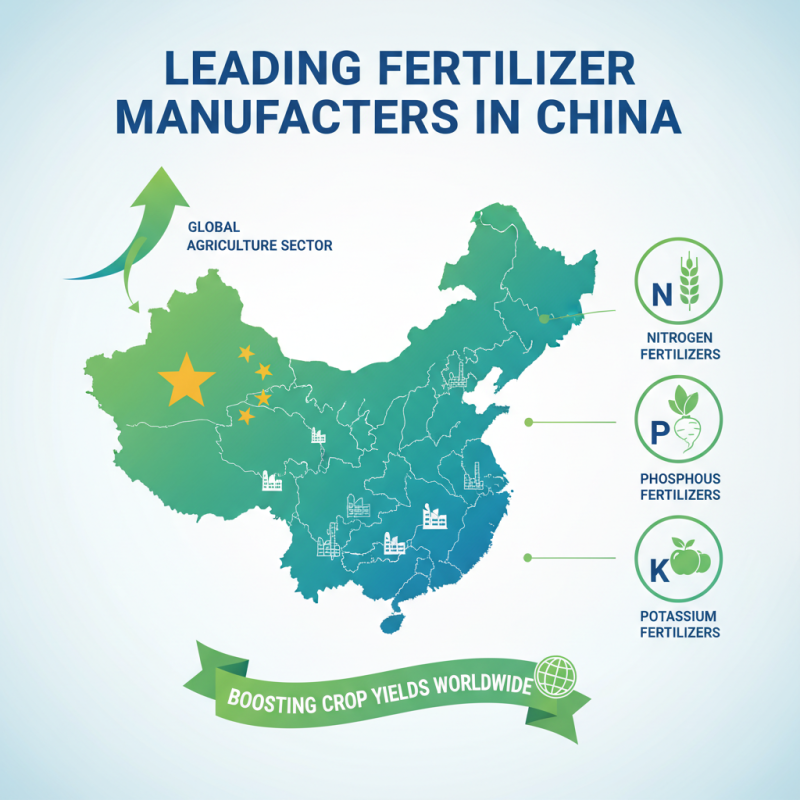
Leading Fertilizer Manufacturers in China
China is home to numerous leading fertilizer manufacturers. They play a crucial role in the global agriculture sector. These companies produce a wide range of fertilizers, including nitrogen, phosphorus, and potassium. Their output significantly influences crop yields worldwide.
The production process is sophisticated. Manufacturers invest heavily in technology and research. This enhances the quality of their products. However, not all companies maintain consistent standards. Some may compromise on quality to cut costs. Buyers must be diligent when selecting suppliers.
Tips: Always request product certifications. This ensures that the fertilizers meet safety and environmental standards. Engage in direct communication with manufacturers. Building a good relationship can lead to better deals and reliable supply. Evaluate reviews and feedback from other buyers. This can provide valuable insights into a company's reliability.
Keep in mind the importance of sourcing ethically. Some suppliers may prioritize profit over environmental impact. Examine their practices to ensure they align with sustainable agriculture. It is crucial for the health of your crops and the planet.
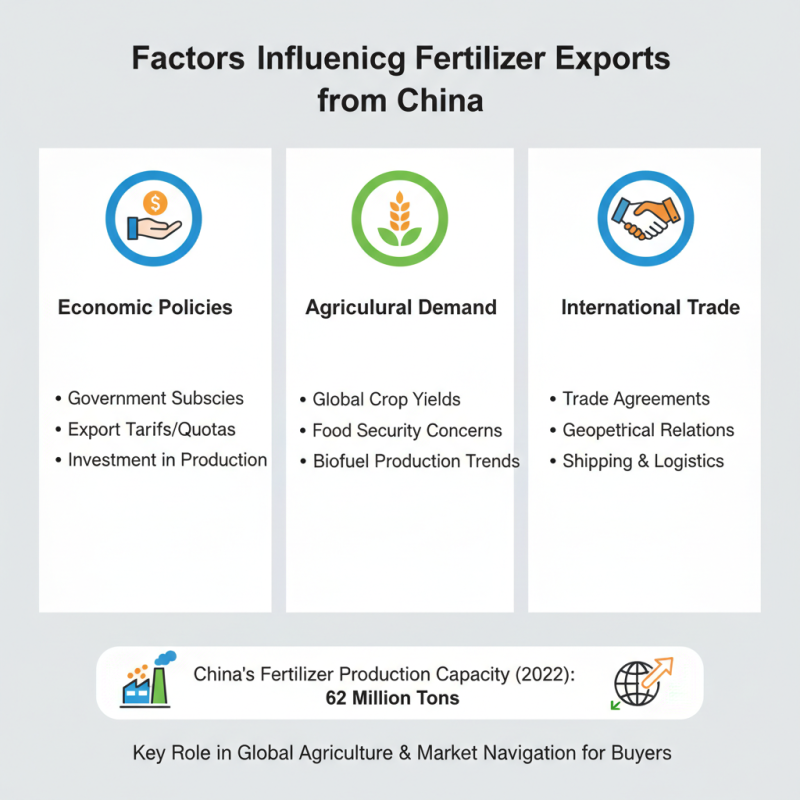
Factors Influencing Fertilizer Exports from China
Fertilizer exports from China play a crucial role in global agriculture. Various factors influence these exports, including economic policies, agricultural demand, and international trade agreements. China's fertilizer production capacity reached 62 million tons in 2022, positioning it as a leading supplier worldwide. Understanding these dynamics can help foreign buyers navigate the complex market.
Government regulations contribute significantly to export levels. For example, changes in export tariffs can directly impact the pricing and availability of fertilizers abroad. In 2022, some regions experienced a temporary increase in tariffs, leading to a 10% increase in costs for international buyers. Additionally, fluctuations in raw material availability, such as potash and phosphorus, create uncertainties. Exporters must adapt to these shifts to remain competitive.
Moreover, environmental regulations shape the export landscape. Stricter policies on pollution have forced some producers to cut back on output. This has led to debates within the industry about balancing environmental sustainability with the demand for higher production. Observers note that innovations in environmentally-friendly fertilizers are emerging but require significant investment. As the landscape evolves, foreign buyers must stay informed to make educated purchasing decisions.
Conclusion
China's fertilizer industry is a vital player in the global market, with a diverse landscape of major fertilizer types such as nitrogen, phosphate, and potassium being produced by various fertilizer companies. These companies capitalize on the country's vast agricultural sector, making China a significant supplier for international agricultural needs. Factors influencing fertilizer exports from China include production capacity, trade policies, and global demand fluctuations.
Global buyers face both challenges and opportunities when dealing with Chinese fertilizer companies, as they navigate issues like quality assurance, logistics, and fluctuating pricing. However, the robust production capabilities and competitive pricing of these companies present valuable prospects for international partnerships and supply chain development. Understanding the dynamics within China’s fertilizer market can help global buyers make informed decisions in sourcing their agricultural inputs.
Related Posts
-

Why Do Fertilizer Manufacturers Focus on Sustainable Practices?
-
How to Choose the Right Fertilizer Company for Your Gardening Needs
-

How to Start Organic Fertilizer Production at Home?
-

Top 10 Professional Fertilizer Options for Successful Gardening and Farming?
-
How is Organic Fertilizer Production Beneficial for Farming?
-

Why Choose an Organic Fertilizer Company for Sustainable Farming?