Top 5 Tips for Sourcing Berberine HCl Efficiently?
Sourcing Berberine HCl can be challenging yet rewarding. This compound, known for its potential health benefits, has gained popularity in various industries. Understanding how to locate reliable suppliers is crucial for businesses and consumers alike. The efficacy of Berberine HCl hinges on its quality. Poor sourcing leads to ineffective products.
Many factors influence the sourcing process. Manufacturers, suppliers, and market demand play significant roles. It’s not always straightforward, though. Transparency and reliability are paramount. Ensuring a consistent supply of high-quality Berberine HCl requires careful evaluation of potential suppliers.
This guide will provide practical tips to enhance your sourcing strategy. We’ll explore effective methods, best practices, and critical aspects to consider. Whether you are a large retailer or a small-scale distributor, these insights will help you secure the best Berberine HCl available. Keep in mind that not all suppliers are equal, and distinguishing between them is essential for your success.
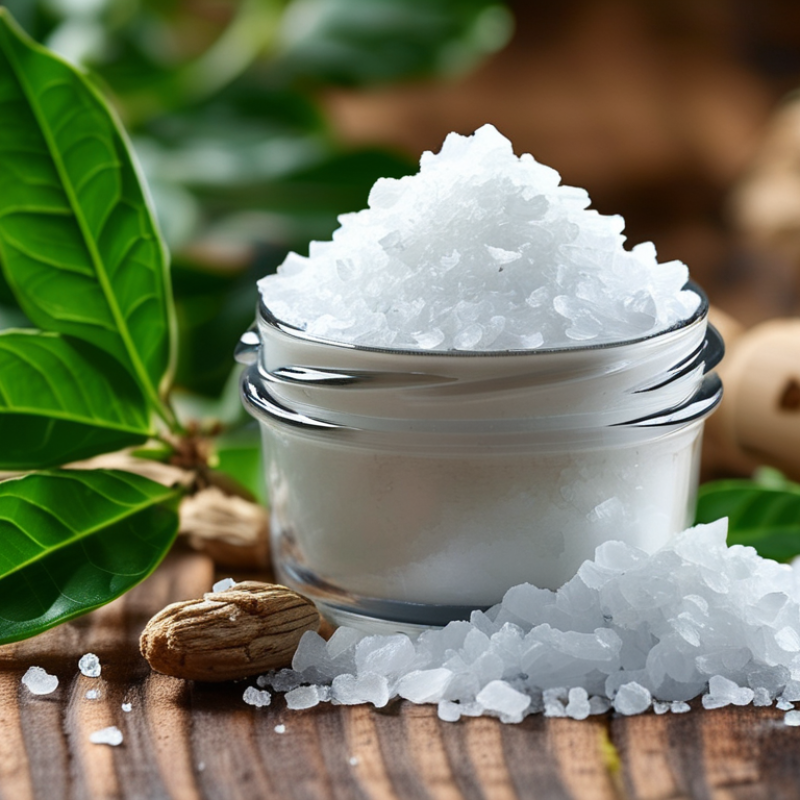
Identifying Reliable Suppliers for Berberine HCl
When sourcing Berberine HCl, identifying reliable suppliers is crucial. The market for supplements, including Berberine, is growing rapidly. Reports suggest that the global market is expected to reach $1.5 billion by 2026. As demand increases, so does the number of suppliers. This makes careful evaluation essential.
Start by assessing the supplier's reputation. Look for reviews and ratings from previous clients. Trustworthy suppliers often have third-party certifications. These indicate compliance with high quality and safety standards. According to industry benchmarks, nearly 80% of reliable suppliers offer transparent sourcing practices. Transparency alleviates concerns about product authenticity.
In addition to reputation, investigate the supplier's sourcing methods. Ethical sourcing of raw materials is paramount. Some suppliers might cut corners to reduce costs. This raises questions about the quality of their Berberine HCl. Engage in conversations with potential suppliers about their sourcing process. A knowledgeable supplier should easily share details. Ultimately, a proactive approach in supplier evaluation minimizes risks associated with quality and safety.
Top 5 Tips for Sourcing Berberine HCl Efficiently
Evaluating the Quality of Berberine HCl Products
When evaluating the quality of Berberine HCl products, several factors come into play. First, consider the source of ingredients. High-quality Berberine HCl typically comes from plants like Berberis. Reports indicate that mineral and herb source purity can significantly impact efficacy. Choose suppliers who provide certificates of analysis from reputable labs.
Next, examine the manufacturing process. Good manufacturing practices (GMP) are essential. Products should be produced in facilities that comply with industry standards. Recent studies show that 85% of dietary supplements lack proper labeling and quality assurance. This highlights the importance of transparency regarding sourcing and ingredient purity.
In addition, pay attention to bioavailability. Some Berberine HCl products are better absorbed than others. Research shows that formulations enhancing absorption can improve effectiveness. Look for clinical studies backing these claims. High-quality products often have detailed information available. This can include clinical research demonstrating their bioavailability and its effects on health outcomes.
Understanding Regulatory Standards for Supplement Sourcing
When sourcing Berberine HCl, understanding regulatory standards is crucial. Different countries enforce varying regulations for dietary supplements. Compliance is non-negotiable. For example, ensuring that suppliers meet GMP (Good Manufacturing Practices) requirements illustrates a commitment to quality and safety. Documentation of quality tests must be readily available.
Navigating these regulations requires thorough research. Familiarize yourself with local laws governing supplement production. This can prevent costly delays and product recalls. Collaborating with a regulatory consultant may be beneficial. Their specialized knowledge can clarify complex regulations, helping you remain compliant.
Successful sourcing depends on using reliable suppliers. Look for certifications that demonstrate adherence to international standards. Some may claim compliance, but verifying these claims is essential. Regular audits and testing can expose potential risks in your supply chain. Consider scheduled evaluations to maintain quality assurance. Balancing supplier relationships with regulatory requirements can be challenging. It's an ongoing process that demands diligence and adaptability.
Comparing Pricing Strategies for Cost-Effective Sourcing
When it comes to sourcing Berberine HCl efficiently, understanding pricing strategies is crucial. Prices can vary widely based on supplier, location, and market demand. It's important to compare multiple suppliers to obtain an accurate sense of the market. While one supplier may offer the best price, hidden costs like shipping and customs can inflate overall expenses. Always ask for a complete price breakdown to avoid surprises.
Another effective approach is to establish long-term relationships with suppliers. Consistency can lead to negotiated discounts. Regular communication fosters trust, which can also translate into better pricing. Consider volume purchasing; it often results in significant savings. However, assess your storage capacity and cash flow before committing to bulk orders. This method may not be suitable for everyone.
Remember that the lowest price does not always mean the best quality. Scrutinize suppliers for quality assurance certifications. Objective third-party testing can provide insights into product purity and potency. Balancing cost with quality ensures a reliable source of Berberine HCl. Regularly reassess your sourcing strategy; what works today might not work tomorrow.
Building Long-Term Relationships with Suppliers in the Industry
Building long-term relationships with suppliers is crucial in sourcing Berberine HCl efficiently. Trust and communication create a solid foundation for successful partnerships. When selecting suppliers, prioritize those who demonstrate reliability and professionalism. Look for partners who understand market dynamics and can share insights into the production process.
One tip for effective sourcing is to conduct thorough supplier assessments. Evaluate their production capabilities and quality control measures. A reliable supplier shares data on their sourcing methods and can provide samples for testing. This transparency fosters trust and builds confidence in your relationship.
Regular communication is vital. Set up routine check-ins to discuss inventory levels and production timelines. This helps both parties respond quickly to market changes. Seek feedback from suppliers on how to improve processes. A collaborative approach can result in innovative solutions that benefit everyone involved. Remember, strong relationships require ongoing effort and mutual support.