What is the Role of Wholesale Fertilizer Suppliers?
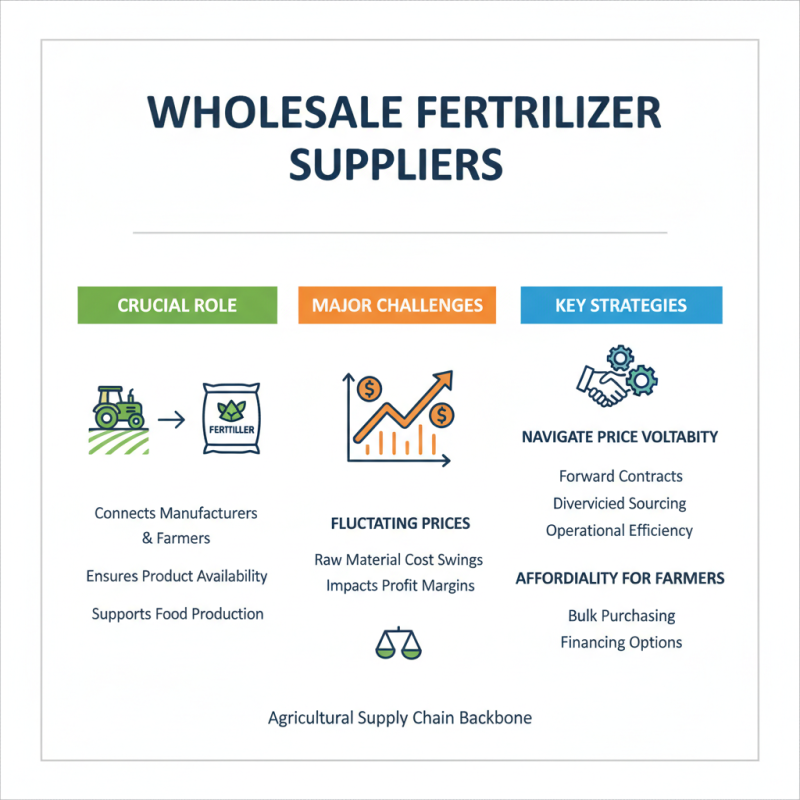
The role of wholesale fertilizer suppliers is vital in agricultural productivity. According to the Fertilizer Institute, the U.S. fertilizer market is projected to reach over $20 billion by 2025. This growth highlights the need for reliable suppliers in the agricultural sector. Wholesale fertilizer suppliers act as a bridge between manufacturers and farmers, ensuring that quality fertilizers reach the end users.
These suppliers provide various fertilizer types, including nitrogen, phosphorus, and potassium sources. They often offer bulk purchasing options, reducing costs for farmers. However, challenges exist. The market is highly competitive, and suppliers must adapt to changing regulations and farming practices. The volatility of raw material prices can also affect profitability.
Investing in relationships with farmers is crucial for wholesale fertilizer suppliers. Understanding local agricultural needs can enhance service quality. Yet, many suppliers struggle to keep pace with technological advancements in precision farming. This gap indicates a significant area for improvement. Overall, the importance of wholesale fertilizer suppliers cannot be overstated; they play a key role in food production and agricultural sustainability.
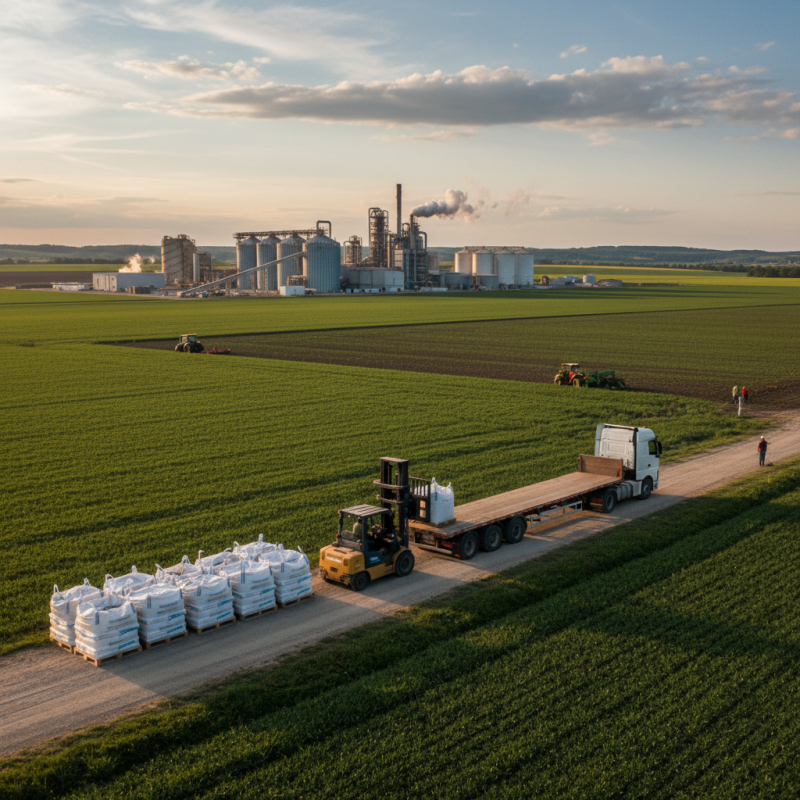
Understanding Wholesale Fertilizer Suppliers: An Overview
Wholesale fertilizer suppliers play a crucial role in the agricultural sector. They act as intermediaries between manufacturers and farmers.
These suppliers ensure farmers have access to various fertilizers needed for optimal crop growth.
They provide essential nutrients that crops need, such as nitrogen, phosphorus, and potassium.
In many regions, farmers depend on wholesale suppliers for timely deliveries.
A reliable supplier can help prevent crop failures due to nutrient deficiencies. However, not all suppliers are equally efficient.
Some may struggle with stock availability or delivery times. Communication issues can also arise, leading to misunderstandings about orders.
Many farmers might find it challenging to choose the right supplier. Factors like price,
product quality, and delivery reliability must be considered.
A farmer may face consequences if they make the wrong choice. Evaluating a supplier's track record can be difficult.
This uncertainty can lead to a sense of risk for farmers looking to maximize their yield.
Key Functions of Wholesale Fertilizer Suppliers in the Supply Chain
Wholesale fertilizer suppliers play a crucial role in the agricultural supply chain. They bridge manufacturers and retailers, ensuring that farmers receive the necessary nutrients for their crops. According to industry reports, the global fertilizer market is projected to reach $265 billion by 2025. This growth reflects the increasing demand for agricultural production.
One key function of these suppliers is bulk purchasing. They buy large quantities of fertilizers at a lower cost, allowing them to offer competitive pricing to retailers and farmers. This practice is essential for reducing costs but requires careful inventory management. Unexpected market fluctuations can lead to surplus or shortages. Suppliers must be prepared to adapt quickly.
Tips: Monitor fertilizer price trends regularly. Changes can impact your buying decisions. Another strategy is to build strong relationships with local farmers. Their feedback can help adjust supply strategies, ensuring a more efficient supply chain.
Wholesale suppliers also handle logistics. They coordinate transportation to deliver products on time. Efficient logistics can mitigate delays, especially during peak seasons. Yet, challenges like rising fuel costs can affect delivery efficiency. Suppliers must consistently evaluate their logistics strategies to ensure reliability. Adapting to these challenges can make or break a supplier’s reputation.
Factors Influencing Wholesale Fertilizer Supply and Pricing
Wholesale fertilizer suppliers play a crucial role in agriculture, connecting manufacturers and retailers. Their importance increases as demand for food grows. However, several factors influence the supply and pricing of these fertilizers.
Weather conditions are a significant factor. Droughts or floods can damage crops, leading to increased demand for fertilizers. This unexpected demand often raises prices. Similarly, transportation costs can fluctuate, impacting the overall price. Suppliers must navigate these challenges, adjusting their strategies to maintain a steady supply.
Market competition also plays a vital role. When suppliers compete, prices tend to stabilize. Yet, too much competition may lead to unsustainable practices. Suppliers might overlook quality in the race to lower prices. Evaluating their methods constantly is essential. Quality should never be sacrificed for profit. Balancing cost and quality remains a persistent challenge for wholesale suppliers.
What is the Role of Wholesale Fertilizer Suppliers? - Factors Influencing Wholesale Fertilizer Supply and Pricing
| Factors |
Description |
Impact on Supply |
Impact on Pricing |
| Demand Fluctuations |
Seasonal demands based on planting and harvesting cycles. |
High demand during planting seasons can lead to supply shortages. |
Increased prices during peak seasons due to high demand. |
| Raw Material Costs |
Prices of raw materials like nitrogen, phosphorus, and potassium used in fertilizers. |
Higher raw material costs can limit the supply of finished products. |
Direct correlation with increased prices of fertilizers. |
| Transportation Costs |
Costs associated with shipping fertilizers from suppliers to retailers. |
Higher transport costs can restrict supply to certain areas. |
Transport costs influence overall pricing for consumers. |
| Government Regulations |
Policies regarding fertilizer production and usage. |
Strict regulations can limit production capacity. |
Can lead to price increases if compliance costs are passed on. |
| Market Competition |
Level of competition among suppliers in the market. |
Increased competition can enhance supply availability. |
High competition can drive prices down. |
The Impact of Wholesale Fertilizer Suppliers on Agricultural Practices
Wholesale fertilizer suppliers play a crucial role in agriculture. They provide essential nutrients that crops need for healthy growth. These suppliers ensure farmers have access to a variety of fertilizers. This can greatly influence crop yield and quality. With proper fertilizers, crops can thrive in diverse climates.
However, the impact is not always positive. Over-reliance on fertilizers can lead to soil degradation. Farmers may face challenges with nutrient runoff. This can pollute water sources and harm the ecosystem. Balancing fertilizer use is essential. Farmers must assess their needs carefully.
Understanding local soil conditions is vital. Customized solutions often yield better results. Farmers should engage with suppliers for tailored advice. This promotes sustainable agricultural practices. An informed approach can enhance both productivity and environmental health. The role of wholesale fertilizer suppliers is complex. It's a blend of support and responsibility.
The Role of Wholesale Fertilizer Suppliers in Agricultural Practices
Challenges Faced by Wholesale Fertilizer Suppliers in the Market
Wholesale fertilizer suppliers play a crucial role in the agricultural supply chain. However, they face significant challenges in the market. One major issue is fluctuating prices. The cost of raw materials can change rapidly, impacting profit margins. Suppliers must navigate these variations while ensuring farmers receive affordable products.
Another challenge involves competition. Many suppliers are vying for market share, which can lead to aggressive pricing strategies. This often forces suppliers to reduce their margins to attract customers. It's essential to find ways to differentiate services while maintaining quality.
Tips: Building strong relationships with manufacturers can provide better pricing stability. Moreover, investing in technology to streamline logistics can enhance operational efficiency. Lastly, focus on customer education to help them understand product benefits, creating loyalty.
Adapting to regulatory changes is also a constant struggle. Compliance requires time and resources, which can strain smaller suppliers. Some may find it hard to keep pace with evolving agricultural policies. Reflecting on these challenges is crucial for growth. It helps suppliers identify weaknesses and address them effectively.