Why Choose a Custom Heavy Duty Bearing Housing Supplier?
When considering industrial applications, the choice of a Custom Heavy Duty Bearing Housing Supplier is critical. These specialized suppliers provide tailored solutions that enhance machinery performance and reliability. Custom designs can address unique challenges in various industries, such as mining, construction, or heavy manufacturing.
Reliability is a key attribute of a reputable supplier. Custom heavy duty bearing housings can significantly reduce downtime and maintenance costs. Choosing the right supplier involves assessing their expertise and experience in creating durable products. Many suppliers claim to offer quality, but only a few truly deliver on that promise.
Understanding the specific needs of your equipment is necessary. A one-size-fits-all approach rarely suits heavy-duty applications. Collaborating with a knowledgeable supplier can mitigate risks and ensure the longevity of your machinery components. Choosing poorly can lead to increased failure rates and expensive repairs. Investing time in selecting a reliable partner will pay off in long-term efficiency and productivity.
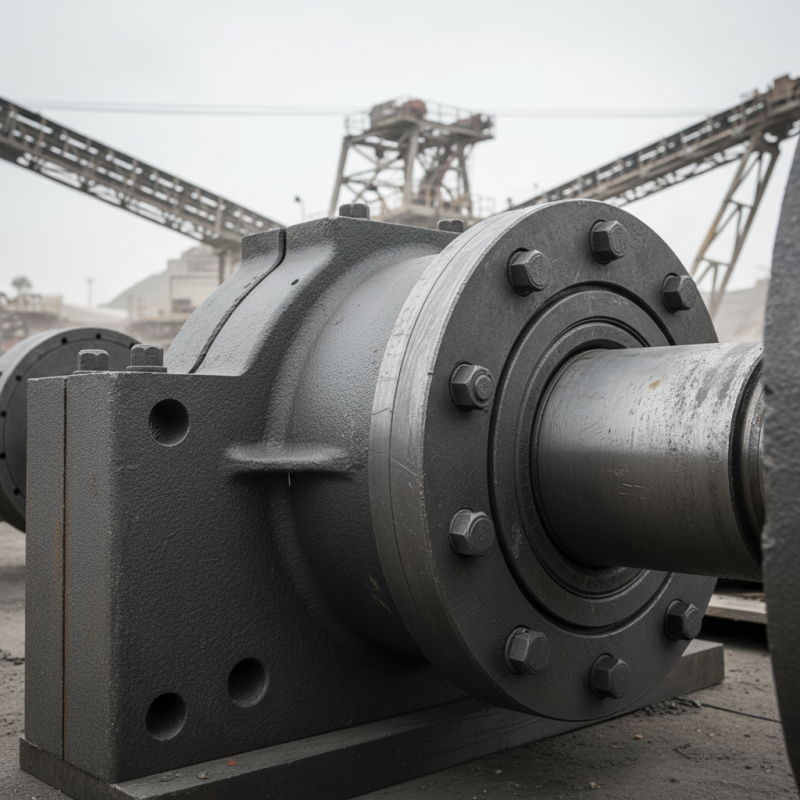
Understanding Heavy Duty Bearing Housings and Their Applications
Heavy-duty bearing housings play a crucial role in various industrial applications. These housings are designed to support heavy loads and endure harsh conditions. According to a report by MarketsandMarkets, the global bearing housing market is expected to reach $8.71 billion by 2025, growing at a compound annual growth rate of 5.5%. This growth indicates an increasing reliance on heavy-duty components in industries like mining, construction, and manufacturing.
In these sectors, bearing housings must withstand extreme temperatures, vibrations, and contaminants. Custom designs allow for enhanced durability. For instance, housings made from high-grade materials can endure more wear and tear. Additionally, a tailored approach ensures that the housing fits seamlessly with specific machinery. A study from ResearchAndMarkets highlights that companies often face challenges with standard solutions, which may not provide optimal performance in specific environments.
Customization also allows for improved maintenance. Bearings that fit properly are easier to service, reducing downtime. However, not all suppliers are equipped to provide the necessary expertise. It’s important to choose suppliers with a proven history in heavy-duty applications. Engaging with experienced suppliers can lead to better long-term efficiency and productivity.
Why Choose a Custom Heavy Duty Bearing Housing Supplier?
| Dimension | Material Type | Load Capacity (lbs) | Application | Operating Temperature (°F) |
| 4" x 4" | Steel | 15000 | Construction Equipment | -20 to 200 |
| 6" x 6" | Cast Iron | 18000 | Mining Equipment | -20 to 250 |
| 8" x 8" | Aluminum | 22000 | Heavy Machinery | -40 to 300 |
| 10" x 10" | Composite | 25000 | Agricultural Equipment | 0 to 180 |
Key Benefits of Choosing Custom Bearing Housing Solutions
When selecting a supplier for custom heavy-duty bearing housings, several key benefits emerge. Custom solutions allow for enhanced performance tailored to specific application needs. A report by the Machinery Market Research Institute indicates that 70% of industrial clients favor custom products for improved efficiency. Custom housings can reliably handle more significant loads and resist environmental factors, ensuring longevity.
Another considerable advantage is the flexibility in design. Custom manufacturers can adjust dimensions and materials to match precise requirements. According to Technavio, the global bearing market is expected to grow by 5% annually, emphasizing the increasing demand for specialized solutions. Businesses can achieve operational excellence by selecting the right designs that fit their machinery perfectly. A mismatch in bearing housings can lead to mechanical failures, highlighting the need for careful consideration.
Additionally, custom bearing housings can reduce maintenance costs. Well-designed solutions minimize wear and tear, increasing equipment lifespan. Industry statistics suggest that proper housing can cut down maintenance time by nearly 30%. However, this approach demands a thoughtful selection process, weighing long-term benefits against initial costs. It's essential to understand the balance between customization and practicality to ensure optimal investment.
Factors to Consider When Selecting a Bearing Housing Supplier
When selecting a custom heavy-duty bearing housing supplier, various factors demand attention. The right supplier ensures operational efficiency and longevity of machinery. Key considerations include material quality, design capabilities, and manufacturing processes. Research shows that over 30% of bearing failures stem from inadequate housing design. A reliable supplier avoids such pitfalls by leveraging advanced materials and precision engineering.
Tips: Evaluate the supplier’s experience in your industry. Custom solutions often require specialists who understand specific challenges. Ensure they provide extensive testing data. This confirms reliability and helps predict product performance.
Additionally, consider the supplier’s ability to provide customization options. Standard housings may not always meet unique operational demands. Reports indicate that tailored solutions can reduce system downtime by up to 25%. Suppliers must demonstrate flexibility in adhering to precise specifications. Engage with them to assess their response to your needs and concerns. A partner who listens and adapts is vital for sustained collaboration.
The Role of Material Selection in Heavy Duty Bearing Housings
When selecting heavy-duty bearing housings, material choice is crucial. Different materials provide unique benefits and limitations, impacting performance and longevity. According to industry reports, steel is the most common choice due to its strength and durability. It can withstand high loads and harsh conditions, making it ideal for demanding applications.
However, stainless steel and cast iron are also popular. Stainless steel offers excellent corrosion resistance, critical for chemical and marine environments. Cast iron, while heavier, provides good damping qualities. Some research indicates that over 30% of premature bearing failures are linked to incorrect material choices. This highlights the importance of understanding specific operational needs.
Another factor to consider is the machining capability of the materials. Some materials are easier to machine but may sacrifice strength. A balance must be struck between machinability and performance. In practice, companies often face challenges when integrating new materials into existing systems. An ongoing evaluation of material performance is essential for achieving optimal results in heavy-duty applications.
Material Selection Impact on Heavy Duty Bearing Housings
Quality Assurance Practices in Custom Bearing Housing Manufacturing
When exploring custom bearing housing manufacturing, quality assurance is crucial. A reliable supplier should prioritize rigorous testing processes. This includes material inspections, dimensional checks, and performance evaluations. Each component must meet established standards. Effective quality control can identify potential issues early. This prevents costly failures in demanding applications.
In addition to testing, a good supplier will maintain clear communication. They should provide documentation that outlines their quality practices. Transparency builds trust and ensures accountability. The supplier’s experience and technical expertise influence the reliability of the products. Engaging with an experienced partner can lead to innovative solutions.
However, not every supplier achieves perfection. Quality lapses can happen, despite best efforts. Regular audits and feedback loops can help improve processes. Continuous improvement should be the goal. It's important to reflect on past performances to enhance future outputs in custom bearing housing production.