Top 10 Gelatin Factory Insights for Global Buyers
In the world of gelatin production, insights from experts help shape industry standards. Dr. Emily Carter, a leading figure in gelatin manufacturing, once said, "Understanding the nuances of a Gelatin Factory can redefine market strategies." This perspective is crucial for global buyers seeking optimal suppliers.
Navigating the gelatin market requires not only reliable data but also a solid understanding of factory operations. Buyers should consider key factors like sourcing, quality control, and production capacity. A well-equipped Gelatin Factory ensures high-end products while maintaining cost-effectiveness. However, not all factories meet these necessary standards.
It's essential to recognize potential pitfalls when choosing a gelatin supplier. Some factories may present outdated processes or lack transparency in sourcing ingredients. Therefore, conducting thorough research and engaging with industry experts can illuminate the best choices. The dynamics of a Gelatin Factory are complex, and awareness of these factors leads to informed decisions.
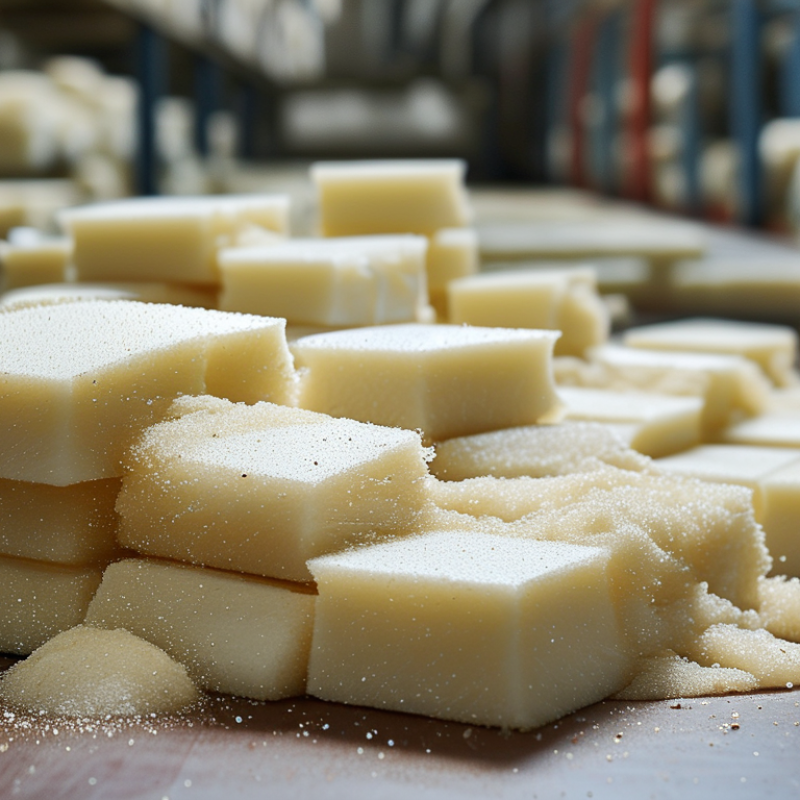
Top Gelatin Production Countries and Their Market Share Statistics
Gelatin is a crucial ingredient in many industries. Its demand is rising globally. Various countries dominate gelatin production, shaping the market landscape. Key players include the United States, Germany, and China. These countries lead not only in production but also in technological innovations.
Market share statistics reveal fascinating insights. The U.S. holds a significant portion of the global market. Germany follows closely, offering high-quality gelatin products. China is rapidly increasing its production capacity, focusing on exports. Countries like Brazil and Japan contribute, but their shares are smaller. This diversity in production highlights regional strengths and consumer preferences.
Tip: When sourcing gelatin, consider regional specialties. Products from different areas often have unique properties. Also, evaluate suppliers for sustainability practices. Sometimes, lower prices could indicate compromised quality.
Keep an eye on emerging markets. Countries in Southeast Asia are expanding their gelatin production. This can create new opportunities for global buyers. Flexibility in sourcing can yield better prices and quality. Understanding each country's market dynamics is crucial for making informed purchasing decisions.
Key Global Trends Influencing Gelatin Demand in the Food Industry
The global gelatin market is undergoing significant changes driven by evolving consumer preferences and emerging food trends. According to a recent report by MarketsandMarkets, the gelatin market was valued at approximately $3.5 billion in 2022 and is projected to reach about $4.5 billion by 2027. The food industry accounts for a significant share of this growth, as gelatin is widely used in products ranging from confectioneries to dairy items.
The rising demand for plant-based diets is challenging traditional gelatin sources. Many consumers are seeking alternatives due to health concerns and ethical considerations. As a result, the market has seen a growing interest in gelatin derived from vegan sources. A notable report from ResearchAndMarkets indicates that the market for plant-based gelatin alternatives is expected to grow at a CAGR of 8.8% from 2023 to 2028. This shift raises questions about the sustainability of current gelatin production methods and their environmental impact.
Another key trend is the increasing emphasis on clean label products. Consumers now prefer food items with fewer additives and transparent ingredient lists. In 2021, a survey by Innova Market Insights revealed that 62% of consumers globally are influenced by the clean label trend when making food choices. This shift may result in manufacturers reevaluating their gelatin sourcing and production processes to meet rising consumer demands for authenticity and quality.
Innovative Applications of Gelatin Beyond Food: Pharmaceuticals & Cosmetics
Gelatin has long been associated with the food industry. However, its applications extend far beyond culinary uses. In pharmaceuticals, gelatin serves as a vital component in capsule production. Its properties allow for easy digestion and absorption of active ingredients. This versatility is crucial for drug efficacy.
In cosmetics, gelatin makes a notable impact through skincare products. It functions as a binding agent, helping to maintain texture and consistency. Additionally, its collagen content supports skin health, promoting hydration and elasticity. The challenge lies in sourcing high-quality gelatin that meets regulatory standards while ensuring sustainability.
Despite its many benefits, the gelatin industry faces scrutiny regarding animal welfare. The sourcing process can be complex and raises ethical questions. Buyers must choose suppliers who prioritize humane practices. Transparency in production is essential to foster trust among consumers. As gelatin continues to find innovative uses in diverse sectors, addressing these issues will be crucial for long-term success.
Sustainability Practices in the Gelatin Industry: Challenges and Solutions
Sustainability practices in the gelatin industry face significant challenges. Many gelatin manufacturers rely on traditional sources, primarily animal bones and hides. This dependence raises ethical concerns. Additionally, sourcing must align with sustainable practices, which many factories struggle to implement effectively.
While some companies adopt eco-friendly initiatives, the transition can be slow. Many lack the infrastructure needed for sustainable waste management. Land use for livestock production also contributes to environmental degradation. An effective solution requires collaboration among suppliers, buyers, and regulators. Such partnerships can foster a shared commitment to sustainability.
Addressing these challenges demands transparency in sourcing and production processes. Factories should invest in alternative sources like plant-based gelling agents. This could provide a more sustainable path forward. However, the industry still needs to evaluate the impacts of these alternatives carefully. Continuous improvement and proactive engagement will shape a more responsible gelatin industry.
Sustainability Practices in the Gelatin Industry
Understanding Gelatin Sourcing: Types and Quality Assessment Metrics
Understanding gelatin sourcing is essential for global buyers. The quality and type of gelatin can vary significantly among suppliers. It is crucial to assess these parameters to ensure product suitability. Common types include type A (porcine) and type B (bovine). Each type has unique attributes and applications in food and pharmaceutical industries. Quality metrics often include Bloom strength, viscosity, and clarity. Buyers should know these specifics to make informed decisions.
Tips: Always request samples before bulk orders. Testing these samples can reveal a lot about the supplier's product quality. Pay attention to the sourcing location. Different regions produce gelatin with varying characteristics due to local animal feed and processing methods.
Quality assessment is not straightforward. Transparency in the supply chain is critical. Evaluate suppliers not only on price but also on ethical standards and environmental practices. It’s important to question certifications. Not all are created equal. Ensure the supplier's claims about quality control processes hold up to scrutiny.
Top 10 Gelatin Factory Insights for Global Buyers - Understanding Gelatin Sourcing: Types and Quality Assessment Metrics
| Factory Location | Gelatin Type | Quality Grade | Source Material | Production Capacity (tons/year) | Certifications |
| Germany | Bovine | A | Bovine Hides | 5000 | ISO 9001, HALAL |
| United States | Porcine | B | Pork Skin | 8000 | GMP, Kosher |
| Brazil | Fish | A+ | Fish Bones | 3000 | ISO 22000, HALAL |
| France | Porcine | A | Pork Skin | 6000 | ISO 9001, Kosher |
| China | Bovine | B | Bovine Hides | 10000 | HACCP, HALAL |
| India | Fish | A | Fish Skin | 1500 | ISO 22000, HALAL |
| Argentina | Bovine | A | Bovine Hides | 4000 | ISO 9001, Kosher |
| Italy | Porcine | B+ | Pork Skin | 2500 | GMP, HALAL |
| Netherlands | Bovine | A | Bovine Hides | 7000 | ISO 22000, Kosher |
| Spain | Fish | A+ | Fish Skin | 2000 | HACCP, HALAL |