10 Essential Tips for Choosing the Right Fertilizer Company?
Choosing the right fertilizer company is crucial for successful agriculture. According to Dr. Emily Liu, a renowned expert in agricultural science, "Selecting the right fertilizer provider can significantly impact crop yields." This statement underscores the importance of making informed decisions.
Many farmers face confusion when selecting a fertilizer company. With numerous options available, it's easy to overlook vital factors. Different companies offer varying products, which can lead to complications. Price does not always reflect quality. A cheaper product may lack essential nutrients. Therefore, understanding your soil needs is imperative.
In a world of choices, personalized service matters. Engaging with a company that listens to your requirements can foster better results. Not every fertilizer company provides tailored solutions. Be cautious about generic advice. This industry often requires specific recommendations to achieve optimal growth. Choosing wisely can transform your yield.

Understanding Fertilizer Types: An Overview of Organic vs. Synthetic Options
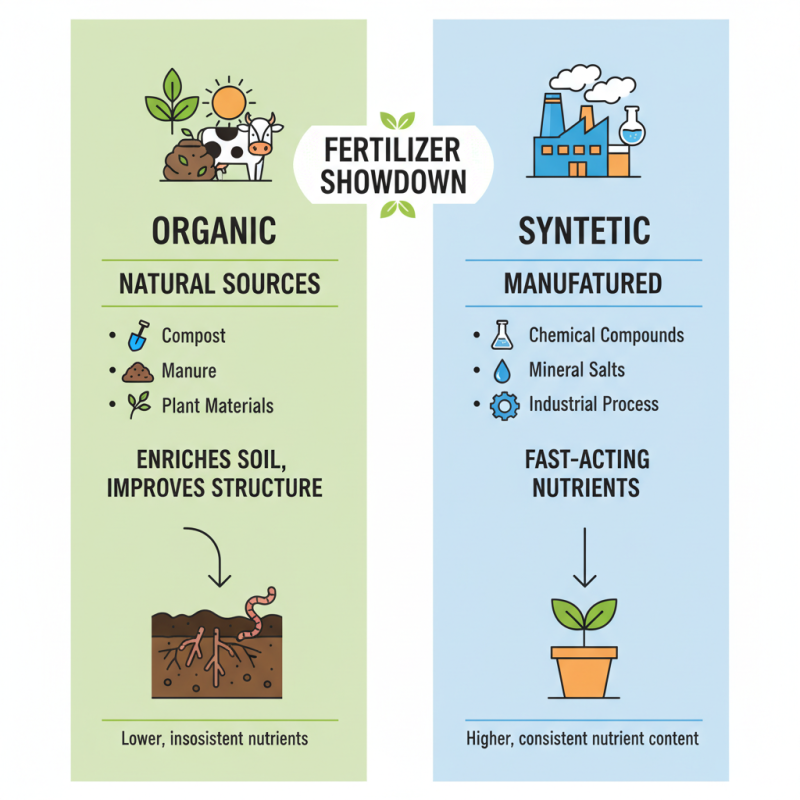
When selecting a fertilizer, understanding the differences between organic and synthetic options is crucial. Organic fertilizers come from natural sources like compost, animal manure, and plant materials. They enrich the soil and improve its structure over time. However, their nutrient content can be lower and less consistent than synthetic options.
On the other hand, synthetic fertilizers are chemically manufactured. They deliver nutrients quickly and can have higher concentrations. Yet, they may lead to soil degradation if overused. Choosing the right option depends on your gardening objectives and concerns.
**Tip 1:** Consider the long-term health of your soil. Organic options might take longer to show results, but they build resilient ecosystems.
**Tip 2:** Evaluate your plants' needs. Some may thrive better with the immediate boost from synthetic fertilizers, especially if they are nutrient-demanding.
**Tip 3:** Reflect on sustainability. Organic fertilizers often have lower environmental impacts. However, not all organic products are equally created. A bit of homework can help you make a wise choice.
Evaluating Nutrient Composition: Key Ratios and Their Importance in Fertilizers
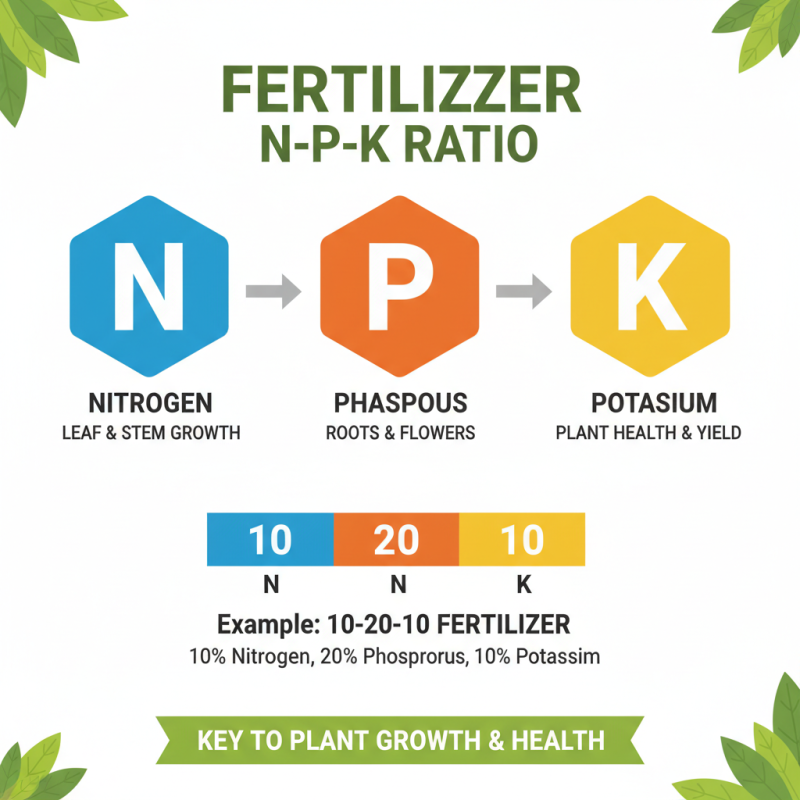
When selecting a fertilizer, understanding nutrient composition is critical. The three primary nutrients—nitrogen (N), phosphorus (P), and potassium (K)—are essential for plant growth. The N-P-K ratio indicates the percentages of these nutrients in a fertilizer blend. For instance, a fertilizer with a ratio of 10-20-10 contains 10% nitrogen, 20% phosphorus, and 10% potassium. This ratio directly influences plant health and crop yield.
Research shows that the right nutrient balance can lead to significant improvements in agricultural output. For example, a study published in the Journal of Agriculture found that optimizing N-P-K ratios improved crop yields by 25% on average. However, the perfect ratio often varies depending on soil type and crop requirements. Too much of one nutrient can lead to deficiencies in others, which may hinder growth.
Farmers should also consider the source of nutrients. Organic fertilizers often have slower nutrient release rates. In contrast, synthetic options provide rapid nutrient availability but can pose risks of leaching. Carefully evaluating these factors ensures that a chosen fertilizer company aligns with the specific needs of the crops and soil in question. Finding the right balance is an ongoing challenge requiring reflection and adaptation as conditions change.
Assessing Company Reputation: Importance of Certifications and Industry Reviews
When choosing a fertilizer company, company reputation matters greatly. Look for established firms with positive industry reviews. Certifications can be a good indicator of quality. Check if they adhere to environmental standards. This not only reflects their commitment but also ensures safer products for your plants.
Reading customer feedback is crucial. It can reveal areas where a company excels or falls short. A company might boast about its eco-friendly formulas, but reviews may tell a different story. Some customers may find their delivery times inconsistent. You could also uncover hidden fees. Researching online platforms can help you gauge overall satisfaction.
Stay cautious about glowing testimonials. Some might be overly promotional. It’s wise to seek third-party reviews too. They provide more balanced perspectives. Engaging with fellow gardeners can also yield valuable insights. They can point you towards reliable brands or warn you away from unreliable ones. Take your time to assess these factors before making a decision.
Assessing Fertilizer Company Reputation
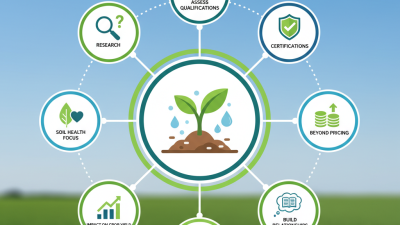
This chart illustrates the key factors contributing to the reputation of fertilizer companies based on industry reviews and certifications.
Analyzing Cost vs. Quality: How to Determine Fair Pricing for Fertilizers
When choosing a fertilizer company, it’s crucial to weigh cost against quality. Prices can vary significantly. However, lower prices don't always mean better deals. Look for signs of quality ingredients and reliable services.
Start by asking for samples. Testing a small batch helps gauge effectiveness. Pay attention to the nutrient content listed on the packaging. Not all fertilizers are created equal. Sometimes, companies focus on flashy marketing rather than performance.
Research is key. Read reviews and seek referrals. Engage with your local farming community online or in person. Listening to firsthand experiences can reveal valuable insights. Remember, investing time in understanding options can lead to better growth results. Consider the long-term impact of your choices. Each decision shapes your soil health and plant vitality.
10 Essential Tips for Choosing the Right Fertilizer Company
| Criteria |
Description |
Average Cost ($) |
Quality Rating (1-5) |
| Organic vs. Synthetic |
Determine the type of fertilizer that best suits your needs. |
50 |
4 |
| NPK Ratio |
Check the Nitrogen, Phosphorus, and Potassium ratio for balanced growth. |
35 |
5 |
| Company Reputation |
Research the reviews and feedback from other customers. |
0 |
5 |
| Delivery Options |
Evaluate the delivery services and associated fees. |
10 |
4 |
| Customer Support |
Access to knowledgeable support staff for assistance. |
0 |
5 |
| Sustainability Practices |
Check if the company focuses on environmentally-friendly practices. |
20 |
4 |
| Product Range |
Availability of various products for different plants. |
15 |
5 |
| Certifications |
Look for relevant industry certifications and accreditations. |
0 |
5 |
| Pricing Transparency |
Ensure clear pricing without hidden fees. |
25 |
4 |
| Trial or Samples |
See if the company offers samples or trial products. |
5 |
4 |
Seeking Local Expertise: The Benefits of Choosing Regional Fertilizer Providers
Choosing a local fertilizer provider can be a game changer for farmers. Regional companies often have a deeper understanding of local soil types and crop needs. This local expertise ensures tailored solutions that generic national brands may lack. According to a report by the International Fertilizer Association, 70% of successful crop yields come from using properly matched fertilizers based on local conditions.
One key tip when selecting a fertilizer company is to consider their agronomic advice. Local companies frequently offer services like soil testing. This can reveal nutrient deficiencies in your fields. Another crucial aspect is customer service. You want a provider that responds quickly to your inquiries or issues. Timely advice can be the difference between a bountiful harvest and a poor one.
Do not overlook reviews from other farmers. Personal experiences can highlight customer satisfaction and effectiveness. Regional companies often rely on word-of-mouth referrals. This can provide insights into their reliability and product performance. However, be cautious. Not all feedback is unbiased; look for patterns in the reviews. In this ever-changing agricultural landscape, local expertise combined with reliable products can help optimize your production efforts.