How to Choose Water Soluble Fertilizers for Global Sourcing

Choosing water soluble fertilizers for global sourcing requires more than comparing NPK numbers or factory prices. Buyers must examine solubility, raw material quality, nutrient consistency, crop suitability, and application equipment. A fertilizer that dissolves clearly in a laboratory beaker may create sediment in cold irrigation water. That difference matters.

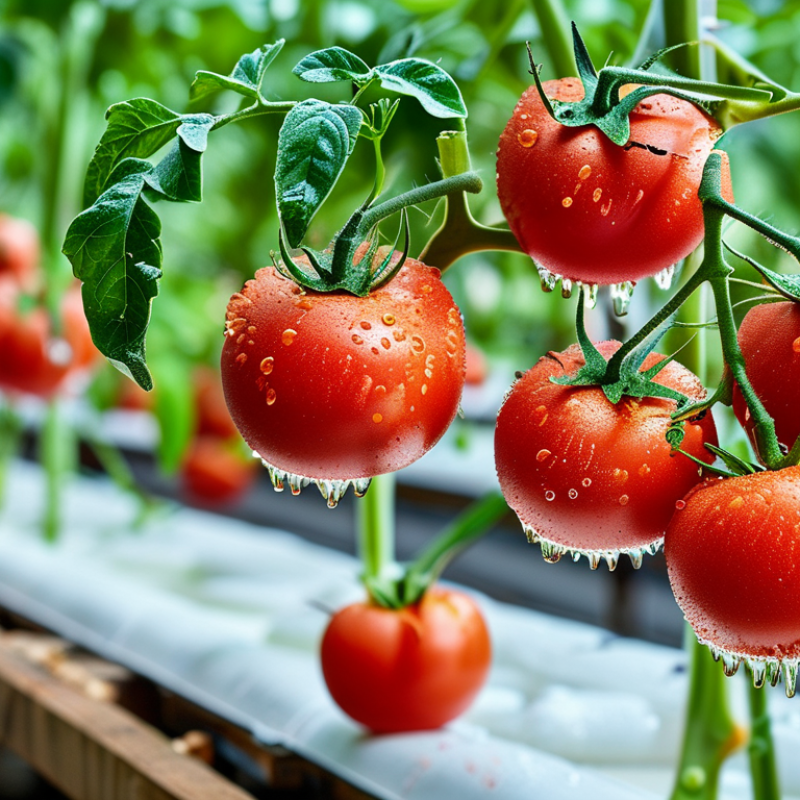
Dr. Patrick Brown, a respected plant nutrition specialist at the University of California, Davis, has stated, “Foliar fertilization is not a replacement for soil fertilization, but it can be a useful supplement.” This principle also supports responsible fertilizer selection. Water soluble fertilizers should match the crop’s actual nutrient demand, soil conditions, and delivery method. A greenhouse tomato grower may need a fully soluble formulation for drip irrigation. A field producer may require different nutrient ratios, better storage stability, or stronger compatibility with local water.

Reliable global sourcing begins with evidence. Request recent laboratory analyses, safety documentation, batch specifications, and clear information about impurities. Check whether the supplier can maintain the same formulation across multiple shipments. Inspect packaging, labeling, moisture protection, and container loading practices. Small details matter. One damp pallet can become a costly problem.

No supplier scorecard is perfect. Buyers can still overlook regional registration rules, seasonal freight delays, or differences in water hardness. That is why pilot trials remain valuable. Test the product on a limited area, measure dissolution time, monitor leaf or soil response, and record unexpected residue. The best choice balances agronomic performance, compliance, supply reliability, and long-term trust.
How to Choose Water Soluble Fertilizers for Global Sourcing

What Water-Soluble Fertilizers Are and How They Work

Water-soluble fertilizers dissolve in water and deliver nutrients through irrigation or foliar spraying. Their nutrients become available quickly, unlike many granular products that release more slowly. Nitrogen supports leafy growth, phosphorus assists roots and flowering, while potassium improves water regulation and crop strength. Calcium, magnesium, sulfur, iron, and zinc may also be needed in smaller amounts. A fertilizer’s analysis shows the nutrient ratio, but it does not explain everything. Solubility, solution pH, and electrical conductivity also affect performance. Clear water is essential. Suspended particles can clog filters and injectors.

Tips: Request a current specification sheet and certificate of analysis. Check complete dissolution in a small bucket before full application. Measure pH and conductivity after mixing. Keep calcium products separate from concentrated phosphate or sulfate solutions, because unwanted precipitates may form. For international sourcing, confirm packaging strength, batch traceability, storage conditions, and transport protection. These details often reveal supplier reliability better than a polished catalog.

Field experience shows that the same formula can perform differently in hard water, cool tanks, or alkaline soil. I once underestimated water quality and blamed the fertilizer for blocked emitters. That assumption was weak. Test water first. Use the crop’s growth stage to guide the nutrient balance, and adjust rates gradually. Overfeeding can burn roots, waste money, and create nutrient imbalances. Local agronomic advice remains valuable because climate, soil texture, and irrigation systems change the result. Even a technically correct product needs careful handling.

Which Nutrients and Formulas Different Crops Require

Crop nutrition should guide formula selection, not the product label alone.

The FAO Statistical Yearbook 2023 reported global fertilizer use at about 185 million tonnes of nutrients in 2021. That figure includes nitrogen, phosphate, and potash, not finished fertilizer weight. The difference matters when comparing suppliers. A 20-20-20 formula does not deliver equal crop benefits in every growth stage.

Leafy vegetables usually need steady nitrogen for canopy development, with moderate potassium and calcium for firm tissues.

Fruiting crops often require less nitrogen after flowering and more potassium during fruit filling.

Root crops need balanced nutrition, but excessive nitrogen can produce leaves instead of storage roots.

These are practical starting points, not fixed rules. Soil tests, irrigation water, and tissue analysis should adjust the program.

Formula details can prevent costly mistakes.

Calcium nitrate should not share a concentrated tank with phosphates or sulfates, because precipitation may block injectors. In hard water, check bicarbonate levels before selecting phosphate-rich blends. Micronutrients such as iron, zinc, boron, and manganese should match crop sensitivity and pH.

The International Fertilizer Association’s 2024 outlook emphasizes efficiency and nutrient-use improvement as global demand rises.

Yet efficiency is not guaranteed. Overlooked salinity, poor mixing, or an unsuitable chloride level can damage roots, even when the nutrient ratio looks correct. Small trials are wiser than assumptions.

How to Evaluate Fertilizer Quality and Solubility

How to Choose Water Soluble Fertilizers for Global Sourcing

How to Evaluate Fertilizer Quality and Solubility

Quality begins with evidence, not a polished product photo. Request a current certificate of analysis for every production batch. Check nutrient percentages, moisture, pH, electrical conductivity, and impurity limits. The declared nitrogen, phosphate, and potassium values should match independent laboratory results. A single certificate is not enough. Batch consistency matters more.

Test solubility with the same water used on farms. Dissolve a measured sample in clean water at 20–25°C. Stir for several minutes, then inspect the solution after standing. Look for sediment, floating particles, crystals, or unusual color. A clear solution can still contain unsuitable salts. Use conductivity and pH readings to support visual checks.

Sampling deserves care. Take portions from different bags or pallets, then combine them before testing. Record the lot number, water temperature, mixing time, and final appearance. This creates a traceable sourcing record. Poor storage may cause caking, even when the original formula was sound. Humidity control and sealed packaging therefore deserve attention.

Do not trust one test.

In my experience, quick jar tests are useful but incomplete. They may miss slow precipitation, hard-water reactions, or blocked filters. A small greenhouse trial can reveal these problems before a large shipment arrives. I would also review safety documents and local fertilizer requirements. Supplier claims help, but repeatable measurements should make the final decision.

How to Compare Suppliers, Certifications, and Production Capacity

Choosing water soluble fertilizers for global sourcing requires more than comparing prices. A supplier should explain nutrient sources, solubility rates, batch testing, and storage conditions. Ask for recent certificates, not scanned documents from several years ago. Check whether certification covers the actual production site and product category. Useful records include ISO quality systems, laboratory accreditation, safety data sheets, and certificates of analysis. Verify issuing bodies independently when possible.

Production capacity also needs careful comparison. Request monthly output, standard batch size, minimum order quantity, and average lead time. A factory may advertise high capacity but rely on outside processors during peak seasons. Ask for a site audit, equipment list, and production schedule. During evaluation, compare sample results for nitrogen, phosphorus, potassium, moisture, and insoluble residue. Small differences can affect fertigation performance. Keep sealed samples from each shipment for later checks. This has saved procurement teams from vague quality disputes.

Price still matters. It can mislead. A cheaper offer may exclude packaging, testing, or port handling. Review payment terms, pallet design, humidity protection, and replacement procedures. Strong suppliers provide traceable batch numbers and respond with evidence, not promises. I have found that communication quality often predicts delivery reliability. Still, this is not perfect. Audits show one moment, while production changes over time. Reassess critical suppliers annually and document every concern before expanding order volume.

How to Choose Water-Soluble Fertilizers for Global Sourcing

A practical framework for comparing suppliers, certifications, product quality, and production capacity.

The chart uses a neutral procurement scorecard rather than company or brand data. Product quality and consistency receive the highest weighting, followed by recognized management certifications, reliable production capacity, regulatory documentation, logistics performance, and commercial terms. Buyers should verify certificates, laboratory results, batch traceability, capacity records, and export compliance before placing an order.

How to Plan Costs, Logistics, and Global Import Compliance

Global sourcing of water-soluble fertilizers requires more than comparing prices per tonne. Cost planning should include formulation, packaging, inland transport, port handling, insurance, duties, and testing. The World Bank’s Commodity Markets Outlook shows that fertilizer prices remain sensitive to energy costs and supply disruptions. A low quotation can become expensive after currency changes and demurrage. My practical lesson is simple: calculate landed cost before negotiating volume.

Logistics depend on moisture control and delivery timing. Choose sealed, moisture-resistant bags and inspect pallets before loading. Confirm container compatibility, storage temperature, and maximum transit time. The International Maritime Organization requires accurate cargo declarations when a formulation meets dangerous-goods criteria. Import compliance also needs a correct HS classification, safety data sheet, certificate of analysis, origin documents, and local-language labels. Customs rules differ by destination. That detail is easy to underestimate. FAO fertilizer statistics also show major differences in nutrient use across regions, so one standard formula may not suit every market.

Tips: Build a country-by-country compliance checklist before ordering. Ask an independent laboratory to verify nutrient content, chloride levels, heavy metals, and moisture. Keep product samples from every shipment. Compare at least three freight scenarios, including port delays. The UNCTAD Review of Maritime Transport reports continuing volatility in shipping networks, so a small buffer stock may protect agricultural customers. Still, excess inventory can absorb cash and lose quality. I would test a smaller shipment first, even when the price looks attractive.