How to Choose the Best Fertilizer Distributor for Your Needs?
Choosing the right fertilizer distributor can significantly impact agricultural productivity. According to industry reports, the global fertilizer market is projected to reach $220 billion by 2026. Within this enormous market, the choice of distributor plays a critical role in ensuring the delivery of quality products and reliable services.
Farmers and agricultural businesses must consider various factors when selecting a fertilizer distributor. For instance, the distributor's experience and product range are important. A distributor with expertise in the field can offer recommendations tailored to specific crops and soil conditions. Additionally, understanding the distributor's supply chain reliability is crucial. Late deliveries can hinder planting schedules and reduce yields, demonstrating the importance of a dependable partner.
In the quest for the best fertilizer distributor, it's essential to seek out reviews and testimonials. However, not all feedback is perfect; some customers encounter issues that reflect the need for careful selection. By weighing the pros and cons, growers can make informed decisions that optimize both productivity and cost-effectiveness. A thoughtful approach to this choice can lead to sustainable farming success.
Identify Your Specific Fertilizer Needs and Requirements
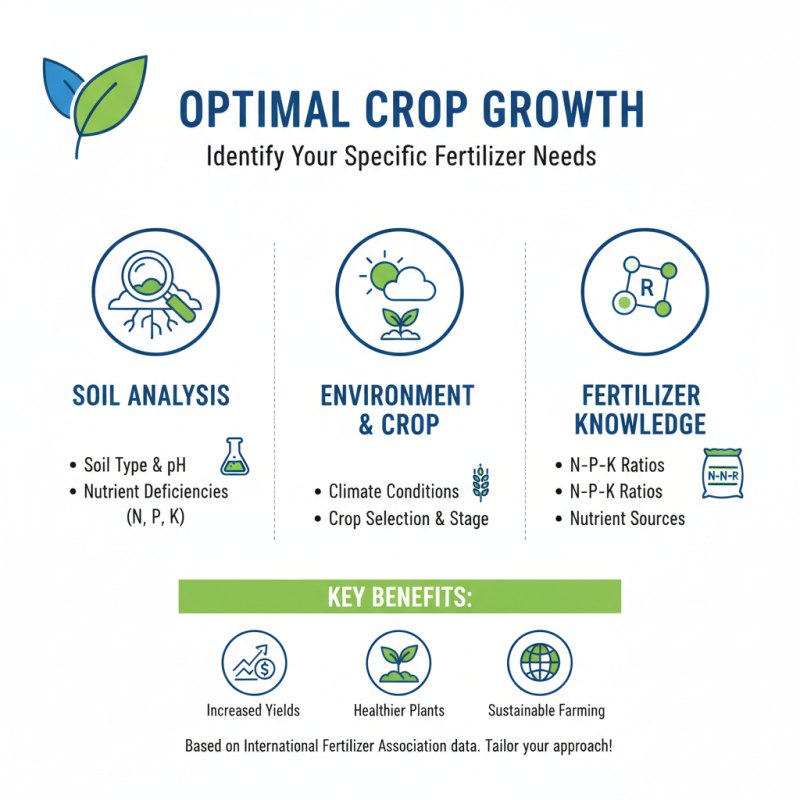
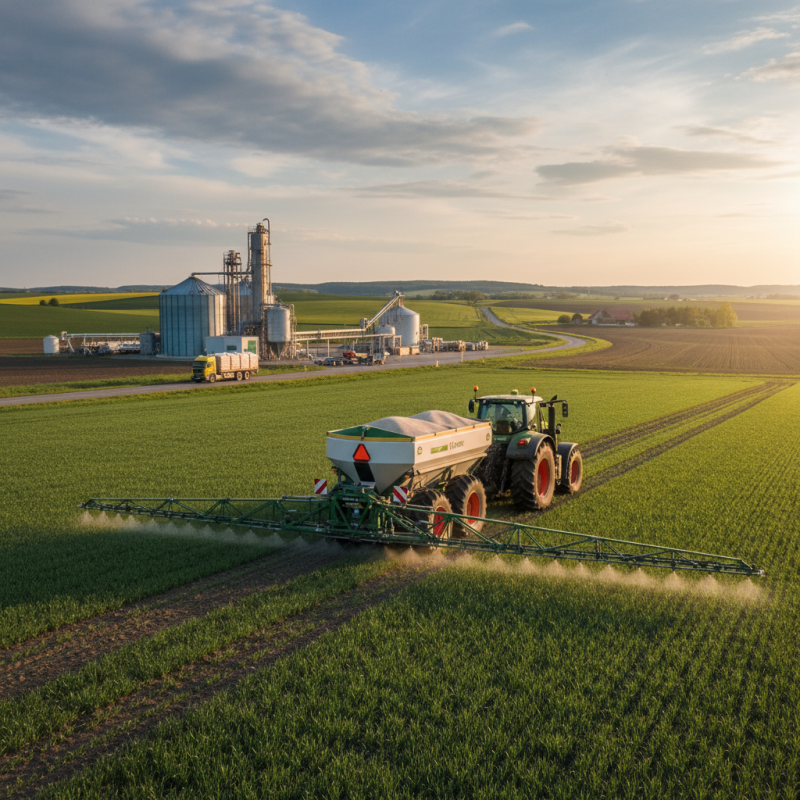
Identifying your specific fertilizer needs is crucial for optimal crop growth. A study from the International Fertilizer Association shows that tailored fertilization can increase yields by up to 30%. This means knowing the soil type, climate conditions, and crop selection is essential. Farmers should conduct soil tests to determine nutrient deficiencies. Understanding the nutrient profile of fertilizers is equally important. Nitrogen, phosphorus, and potassium are key elements that influence plant health.
Consider the mode of application as well. For example, some fertilizers are better suited for foliar feeding, while others work well in granular form. These application methods can impact the efficiency of nutrient uptake. Additionally, your distributor should provide insights into the best timing for application. Research indicates that applying fertilizers at the right growth stage maximizes effectiveness. This personalization may be lacking, potentially leading to subpar results.
Evaluate potential distributors based on their expertise and the variety of options they offer. Reliable distributors should have updated knowledge about current agronomic trends. They should also provide credible sources for their recommendations. A systematic approach to selecting a distributor will ensure that they align with your specific agricultural goals.
Research Potential Fertilizer Distributors in Your Area
When researching potential fertilizer distributors in your area, consider a few critical factors. Start by identifying local distributors who have a good reputation. Look for reviews online and talk to local farmers about their experiences. Community feedback often reveals a lot about the reliability of distributors. Pay attention to the range of products available. A distributor who stocks a diverse selection can better meet your specific needs.
Tips: Ask about their sourcing practices. Understanding where the fertilizers come from can lend insight into their quality. Also, inquire about their customer service. Good communication is essential for resolving issues quickly.
Evaluate their delivery options. Some distributors may offer convenient delivery services, which can save you time. Additionally, check if they provide guidance or resources for using their products effectively. This support can be invaluable for maximizing your crop yield. Reflect on your priorities—is it cost, convenience, or product variety? Your preferences will shape your choice.
Remember to consider the scale of your needs as well. Larger farms may have different requirements compared to home gardens. Be open to exploring less popular options in your area, as they might surprise you with better service or specializations that larger companies lack.
Evaluate Distributor Credentials and Industry Experience
When selecting a fertilizer distributor, evaluating their credentials and industry experience is crucial. A reliable distributor should ideally have extensive experience in the fertilizer sector. According to a report by the Fertilizer Institute, 65% of successful distributors have over 10 years in the industry. This experience can indicate their ability to provide high-quality products and valuable advice to customers.
Certifications also play a significant role. Look for distributors with certifications from recognized agricultural organizations. These can demonstrate adherence to safety and efficacy standards. A study by the American Society of Agronomy highlights that certified distributors often have a lower incidence of customer complaints, showcasing their commitment to quality. It is vital to research potential distributors’ history, including any past controversies or recalls. This can reveal potential risks regarding product reliability.
Moreover, engaging with their customer service can provide insights into their operations. A responsive distributor usually reflects a proactive approach to customer care. Some distributors may have expertise in niche markets or specific crops. This can aid farmers in making informed decisions. Each interaction can fulfill a part of your decision-making process. Understanding these details can empower you to choose wisely.
How to Choose the Best Fertilizer Distributor for Your Needs?
| Criteria |
Evaluation Metric |
Score (1-5) |
Comments |
| Distributor Credentials |
Certifications and Licenses |
4 |
Valid certifications are present. |
| Industry Experience |
Years in Business |
5 |
Over 15 years of experience. |
| Product Range |
Diversity of Products Offered |
4 |
Offers a wide variety of fertilizers. |
| Customer Service |
Responsiveness and Assistance |
3 |
Average responsiveness to inquiries. |
| Delivery Options |
Timeliness and Flexibility |
4 |
Flexible delivery schedules offered. |
| Pricing |
Competitiveness of Prices |
4 |
Competitive pricing structure. |
Compare Pricing Structures and Product Quality
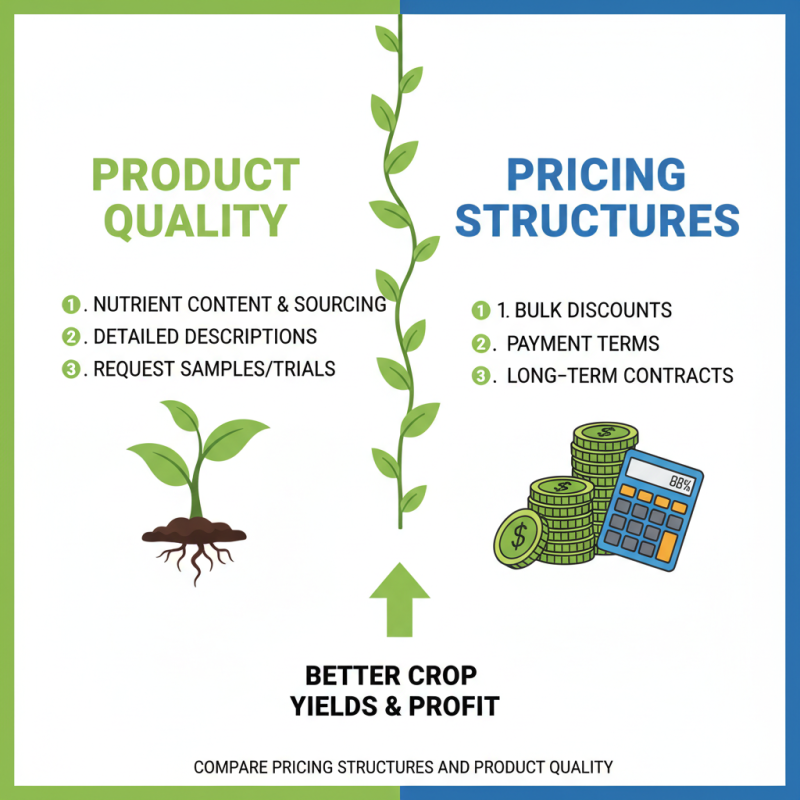
When selecting a fertilizer distributor, product quality and pricing structures are crucial. Start by evaluating the quality of the fertilizers offered. Look for distributors who provide detailed product descriptions. Check for information on nutrient content and sourcing practices. High-quality fertilizers often lead to better crop yields and healthier plants. Request samples if possible to assess the effectiveness of their products.
Next, analyze the pricing structures. Distributors may offer bulk discounts or tiered pricing based on order size. Understanding these structures can help you make informed budgeting decisions. Some distributors may have hidden fees or additional shipping costs, which can significantly impact the total price. Transparency in pricing is essential. Communicate with potential distributors to clarify any uncertainties. Don’t hesitate to negotiate terms based on your needs.
Lastly, remember that a lower price doesn’t always mean a better deal. Sometimes, expensive products may offer superior results. Assess both the product quality and the prices side by side. This reflection helps ensure that you choose a distributor who aligns with your farming goals and financial expectations. Each choice carries weight, so take the time to explore and compare your options thoroughly.
Assess Customer Service and Support Capabilities
When choosing a fertilizer distributor, customer service is paramount. A knowledgeable team can assist you with product selection. They should know the specifics of different fertilizers and their applications. Having access to this expertise can make a significant difference in your gardening or farming success.
Good distributors provide support beyond just sales. They engage with customers regularly, offering advice and solutions tailored to unique needs. When issues arise, a reliable distributor responds quickly. A poorly managed customer service can lead to frustration and wasted resources. Understanding a distributor’s support capabilities is essential for a lasting partnership.
Assessing customer service goes beyond mere interactions. Look for reviews and feedback from others in the industry. How responsive are they to inquiries? A strong customer service record often reflects a distributor’s commitment to their clients. If a company has consistent complaints, it might indicate systemic issues. Take the time to investigate and make an informed choice.
Customer Service and Support Ratings of Fertilizer Distributors