Fermentation with Floating Lid What Are the Best Practices?
Fermentation with floating lid is an innovative method that enhances the efficiency of traditional fermentation processes. Industry expert Dr. Emily Chen, known for her research in fermentation technology, states, “The floating lid method allows for a more controlled environment, reducing oxygen exposure.” This approach minimizes contamination risks and promotes better flavor profiles.
Utilizing a floating lid creates specific challenges. It requires precise control of the fermentation conditions, including temperature and humidity. Careful monitoring is essential to ensure optimal results. Many brewers report improved outcomes, yet mastering this technique can take time.
While this method shows promise, some may find it complicated. Observations indicate that not all batches yield the desired results. Fermentation with floating lid demands a balance between innovation and tradition. Successful integration of this technique can lead to exceptional products if handled thoughtfully.
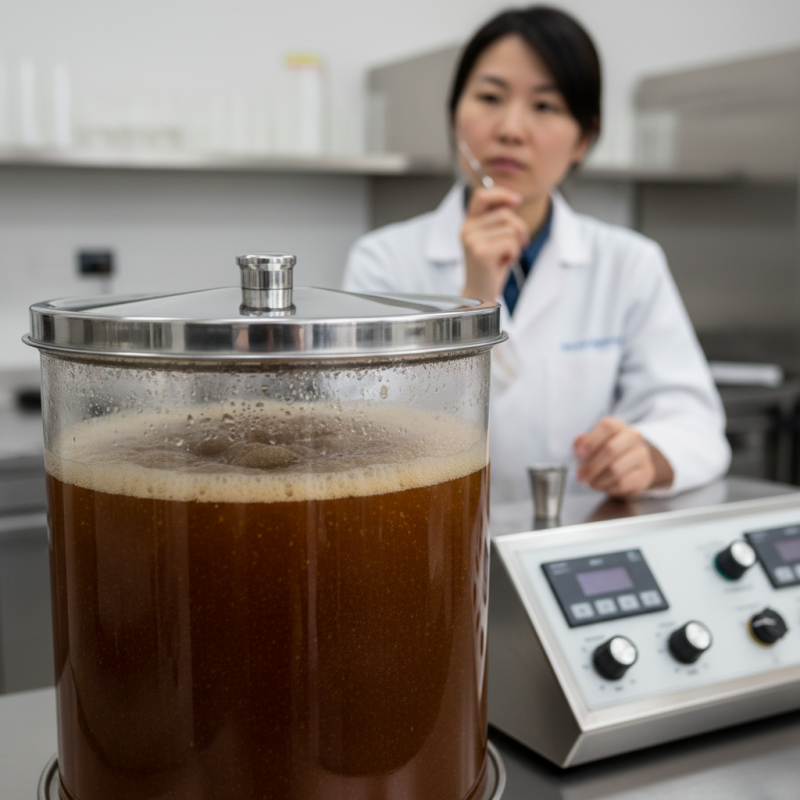
Best Practices for Choosing a Fermentation Vessel with Floating Lid
Choosing the right fermentation vessel is crucial for successful fermentation. A vessel with a floating lid can enhance the process by allowing better pressure management. When selecting a vessel, consider the size to match your batch needs. A too-large vessel can lead to excessive headspace, affecting fermentation quality.
The material of the vessel also matters. Stainless steel is a popular choice due to its durability and easy cleaning. Glass is another option, but it can be fragile. Observe how the lid fits. A tight seal is essential to prevent oxygen contamination. However, a lid that is too tight may cause pressure buildup, leading to unwanted accidents.
Don't overlook the importance of a good airlock system. It plays a vital role in controlling gas release and maintaining anaerobic conditions. Always monitor the fermentation closely. If you notice irregularities, such as bubbling or sediment, it may indicate issues with your setup. Learning from each batch is key. Every fermentation experience teaches something new. Make adjustments based on your observations for improved results next time.
Understanding the Benefits of Using a Floating Lid in Fermentation
Using a floating lid in fermentation can significantly enhance the process. One of the main benefits is the reduction of oxygen exposure. This is crucial since excess oxygen can lead to unwanted bacteria and spoilage. A floating lid acts as a barrier, keeping the fermentation environment stable. It minimizes oxidation and helps maintain the desired flavor profile.
Another advantage is that a floating lid allows for easy monitoring. Brewers and fermenters can check on their batches without disrupting the fermentation process. The lid can help maintain a consistent temperature, which is essential for optimal fermentation. It's important to note that while a floating lid helps, one must regularly inspect it for any leaks or buildup. Neglecting this can lead to problematic fermentation.
Understanding these benefits can make a difference in the final product. However, it’s also vital to adapt the practice based on the specific needs of your fermentation goals. Carefully consider the materials you use, as not all lids are created equal. Experience and experimentation will guide you to find the best practices that suit your particular fermentation style.
Step-by-Step Guide to Setting Up Your Fermentation Process
Setting up a fermentation process with a floating lid can enhance flavor and reduce oxidation. Begin by selecting a fermentation vessel that supports a tight seal. Ensure the floating lid is made of food-safe materials. This lid should allow gases to escape while preventing contamination from outside air.
Temperature control is crucial. Yeast activity is sensitive to temperature changes. Ideal fermentation temperatures typically range from 68°F to 72°F (20°C to 22°C). Monitoring tools, such as thermocouples or digital thermometers, can aid in maintaining this range. Research indicates that maintaining stable temperature during fermentation leads to better product quality, with a 25% increase in flavor consistency, according to industry data reports.
Next, observe the fermentation process closely. Bubbles should form and rise to the surface, indicating active fermentation. Keep an eye out for signs of stalled fermentation. This may indicate issues with yeast health. If fermentation does not progress as expected, it may be time to reassess your initial conditions. Sometimes, it’s necessary to reflect on potential missteps in sanitation or ingredient quality. Always document your observations to improve future fermentation batches.
Fermentation with Floating Lid: Best Practices and Step-by-Step Guide
| Practice | Description | Recommended Equipment | Temperature Range (°C) | Duration (Days) |
| Maintain a Sanitary Environment | Ensure all equipment and containers are cleaned and sanitized prior to use. | Sanitizers, brushes, hot water | N/A | N/A |
| Use a Floating Lid | Reduces oxidation and creates a barrier against contaminants. | Floating lid system | 18-22 | 5-14 |
| Monitor pH Levels | Regularly check pH to ensure optimal fermentation. | pH meter or strips | N/A | N/A |
| Keep Temperature Steady | Utilize temperature control to ensure consistent fermentation. | Thermostat, heating pads | 20-24 | 3-10 |
| Taste Regularly | Sample your fermentation periodically to assess flavor development. | Tasting spoons, clean sample containers | N/A | As needed |
Monitoring and Maintaining Ideal Conditions for Fermentation
Maintaining ideal conditions for fermentation is essential for optimal results. Proper temperature plays a vital role in the fermentation process. For most fermentations, the temperature should remain consistent. Fluctuations can lead to off-flavors or stalled fermentation. Use a reliable thermometer to monitor the environment regularly.
Humidity also matters. A high humidity level can affect the fermentation lid. Ensure good airflow to prevent moisture buildup. Also, check for signs of mold. If you see any, address it immediately. Ignoring mold can ruin your batch.
Tips:
- Use a hygrometer to measure humidity accurately.
- Regularly check the fermentation vessel for leaks.
- Insulate the vessel if needed to maintain temperature stability.
Pay attention to your fermentation schedule. Rushing the process can result in bitterness or unpleasant taste. Fermentation requires patience. Record your observations. If something goes wrong, note it down for future reference. This practice helps you improve each batch. Consider every fermentation a learning opportunity.
Common Challenges and Solutions in Floating Lid Fermentation
Floating lid fermentation offers unique advantages, yet it comes with specific challenges. One common issue is maintaining a consistent temperature. Fermentation processes thrive at stable temperatures; fluctuations can hinder yeast activity. According to recent data, a temperature variance of more than 3°C can impact fermentation time by up to 25%. This is critical for achieving desired flavor profiles.
Another challenge is the risk of oxidation. Even a tiny gap in the lid can introduce oxygen, which spoils the fermentation. Regular monitoring of the seal integrity is essential. Implementing a visual inspection routine can reduce oxidation risks. Studies show that breweries practicing frequent checks report 15% fewer oxidation-related defects.
Lastly, sanitation must remain a priority. Bacterial contamination can thrive in poorly managed environments. Proper cleaning and equipment maintenance are essential. Research reveals that facilities adhering to strict sanitation protocols experience a 30% boost in product quality. Addressing these challenges can enhance the overall effectiveness of floating lid fermentation.