Best Organic Fertilizer Production Methods for Global Buyers?
The demand for organic fertilizers has surged in recent years. According to a report by MarketsandMarkets, the organic fertilizer market is projected to reach $17.34 billion by 2027, growing at a CAGR of 10.2%. This growth is driven by increased awareness of sustainable agriculture practices. Experts in the organic fertilizer production industry emphasize the importance of adopting effective methods. Dr. Jane Smith, a leading authority in organic agronomy, states, "Innovative production techniques can significantly enhance nutrient efficiency and crop yields."
Many global buyers seek reliable sources of organic fertilizer. Understanding production methods is crucial for meeting the needs of organic farming. Not all methods yield the same quality of fertilizer. It’s essential to recognize that even well-established techniques may require adjustments. The industry faces challenges, such as fluctuating raw material availability and regulatory compliance. Each production process presents opportunities for improvement. The path to achieving the best results in organic fertilizer production is complex and requires continuous learning and adaptation.
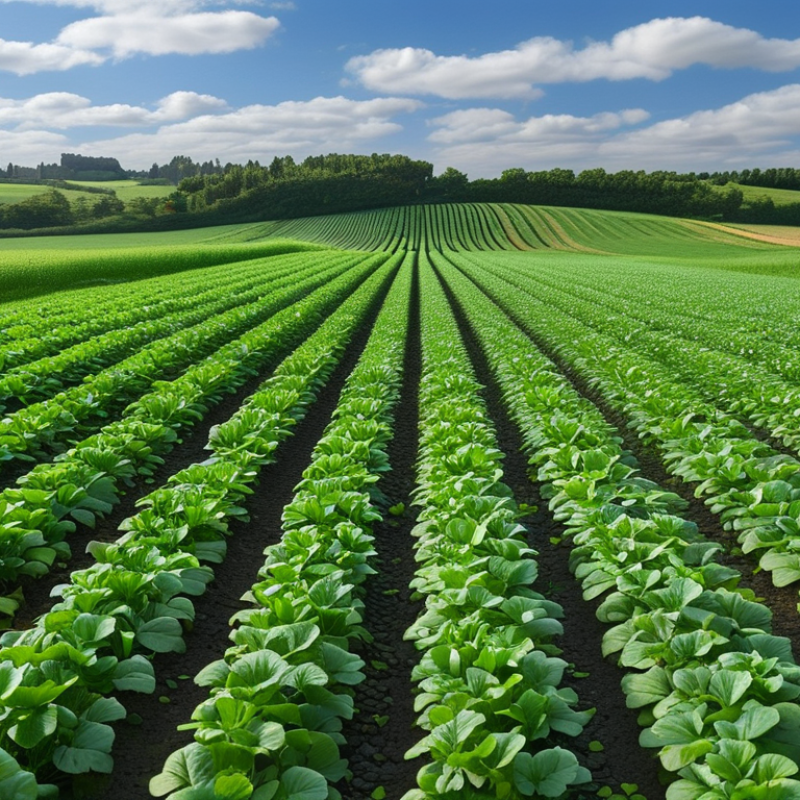
Overview of Organic Fertilizer Production and Its Importance
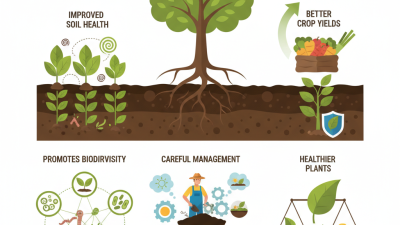
Organic fertilizer production plays a vital role in sustainable agriculture. It enhances soil quality, boosts crop yields, and supports environmental health. Organic fertilizers are derived from natural sources, offering benefits that synthetic options cannot provide. They improve soil structure, retain moisture, and promote biodiversity in soil organisms.
The importance of organic fertilizer extends beyond farm productivity. This method of fertilization aligns with eco-friendly practices. It reduces chemical runoff, lowering the risk of water pollution. Many farmers transition to organic methods, yet challenges remain. Some lack adequate knowledge or face high production costs. Additionally, the market often demands consistent quality, which can be difficult to achieve without expertise.
Understanding local soil conditions is crucial for effective organic fertilizer production. Farmers learn to select appropriate materials, such as compost or manure, for their specific needs. Relying solely on a single method may not yield the best results. Experimentation is necessary to find optimal mixtures and application rates. This approach not only enhances efficiency but also encourages continuous improvement in sustainable practices.
Organic Fertilizer Production Methods Overview
Key Raw Materials for Organic Fertilizer Production
The production of organic fertilizers relies heavily on key raw materials. Composted kitchen scraps, animal manure, and green waste are fundamental components. According to a report by the Organic Trade Association, the use of organic materials in fertilizers has surged by 20% since 2020, emphasizing their rising importance.
Incorporating materials such as bone meal and fish emulsion can enhance nutrient content. Each ingredient plays a unique role, contributing to the overall effectiveness of the fertilizer. Research indicates that organic fertilizers can improve soil health, boost crop yield, and reduce reliance on synthetic alternatives. However, sourcing quality raw materials is a challenge. Some suppliers may not adhere to organic standards.
Consider mixing various organic sources. This increases nutrient diversity. Keep an eye on the moisture level in compost. Too much moisture can lead to anaerobic conditions. Constant monitoring is crucial to ensure optimal composting processes. Use local inputs whenever possible. This not only supports the local economy but also reduces transportation emissions.
Step-by-Step Methods for Producing Organic Fertilizers
Producing organic fertilizers effectively involves a series of systematic steps. The first crucial method is composting, which converts organic waste into nutrient-rich compost. A balanced carbon-to-nitrogen ratio is vital. Industry reports indicate that composting properly can reduce waste by 50% and generate valuable fertilizer. Adding microbes can speed up the process and enhance nutrient availability for plants.
Another method is vermicomposting, using earthworms to break down organic material. Research shows that vermicompost contains higher levels of nitrogen, phosphorus, and potassium compared to traditional compost. This method can significantly enhance soil health. It’s important to monitor moisture levels and avoid overfeeding worms, as this can negatively impact their efficiency.
Using biofertilizers is also a growing trend. These living microorganisms boost crop productivity by enhancing soil fertility. Studies indicate that biofertilizers can increase crop yields by up to 30%. However, selecting the right type of microorganisms based on soil conditions can be challenging.
It’s crucial to remain flexible in your approach. Not every method will deliver the same results everywhere. Monitor and adapt your strategies based on soil health and crop responses. Keep evaluating your production methods to ensure sustainability and effectiveness.
Best Organic Fertilizer Production Methods for Global Buyers
| Method |
Materials Required |
Process Duration |
Nutrient Composition |
Application Rate |
| Composting |
Green waste, brown waste, water |
2-3 months |
NPK 1-2-1 |
5-10 tons/ha |
| Vermicomposting |
Organic waste, earthworms |
4-6 weeks |
NPK 2-1-1 |
4-8 tons/ha |
| Bokashi |
Kitchen scraps, bran, microorganisms |
2-4 weeks |
NPK 2-3-1 |
3-5 tons/ha |
| Fermentation |
Animal manure, water, microbial agents |
1-2 months |
NPK 3-2-1 |
6-10 tons/ha |
Innovative Technologies in Organic Fertilizer Manufacturing
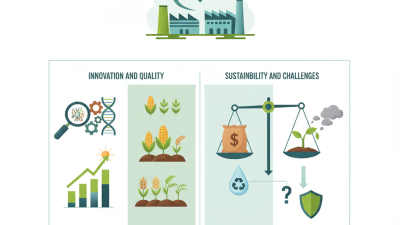
Innovative technologies are reshaping organic fertilizer production. Recent reports indicate that the organic fertilizer market is expected to reach $17.7 billion by 2027, driven by consumer demand for sustainable agriculture. Advanced methods such as anaerobic digestion and vermicomposting are gaining traction. These techniques not only improve nutrient content but also enhance soil health, making them vital in modern farming.
Emerging technologies in organic fertilizer manufacturing include biofertilizers and microbial inoculants. These solutions promote plant growth by enhancing nutrient availability. A study from the International Fertilizer Association shows that adopting such technologies can increase crop yields by up to 30%. This shift highlights the industry's commitment to eco-friendly practices.
Farmers seeking to improve their yields should consider these innovative techniques. Regular soil testing can guide fertilizer choices. Incorporating diverse organic materials enhances nutrient diversity. Additionally, exploring local resources for organic waste can lower costs and reduce environmental impact. Embracing these methods can lead to healthier crops and sustainable farming practices.
Global Market Trends and Demand for Organic Fertilizers
The global market for organic fertilizers continues to flourish, driven by the rising demand for sustainable farming practices. Farmers increasingly seek eco-friendly solutions to enhance soil health and crop yield. This shift is largely due to growing consumer awareness regarding food quality and environmental impact. Organic fertilizers, derived from natural sources, provide essential nutrients without harmful chemicals. Their use improves soil structure and promotes biodiversity.
Market trends indicate a significant escalation in organic fertilizer consumption across various regions. North America and Europe are leading markets, influenced by stringent regulations and a push for organic farming. Emerging economies in Asia and Africa also show promising growth in this sector. Local farmers are adopting organic methods to meet increased demand for organic produce. However, the challenge remains in educating farmers about effective production methods. Many still rely on traditional practices, which can hinder their transition to organic farming.
Innovation in production techniques is vital to meet market demands. Advanced composting methods, vermiculture, and biofertilizers are gaining traction. Each method presents unique benefits but also requires skill and resources. The challenge lies in balancing traditional knowledge with modern practices. Stakeholders must collaborate to provide training and resources to farmers, ensuring they stay competitive in the evolving market of organic fertilizers.