2026 Best Farm Fertilizer Options for Global Buyers?
In the evolving landscape of agriculture, the importance of selecting the right farm fertilizer cannot be overstated. As global demands for food increase, farmers are searching for innovative solutions. Dr. Emily Carter, a recognized expert in agronomy, states, "The choice of farm fertilizer directly impacts crop yield and sustainability." This highlights the critical role that effective farm fertilizers play in modern farming practices.
Different regions have specific needs. For example, some soils may lack essential nutrients. In such cases, tailored fertilizers can make a significant difference. Farmers must consider various factors, including soil health, crop requirements, and environmental impacts. While many options are available, not every product may meet sustainability criteria.
Navigating the complexities of farm fertilizer choices can be overwhelming. Farmers might feel uncertain. They often face pressure to maximize yields while maintaining responsible practices. Investing in research and selecting the right fertilizers could lead to better outcomes. Ultimately, the quest for the best farm fertilizer options continues to be a pressing challenge for global buyers.
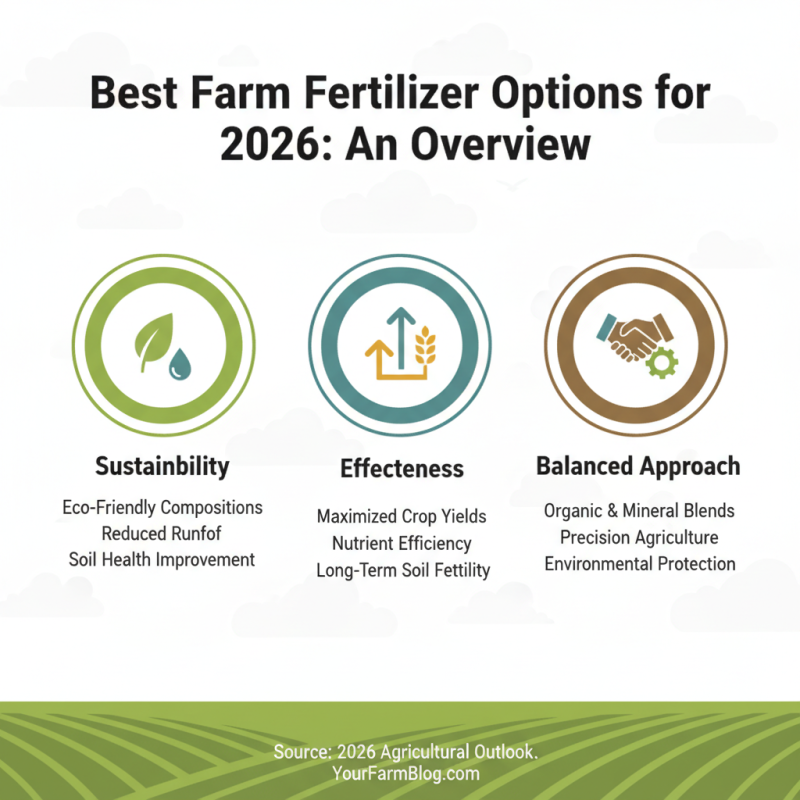
Best Farm Fertilizer Options for 2026: An Overview
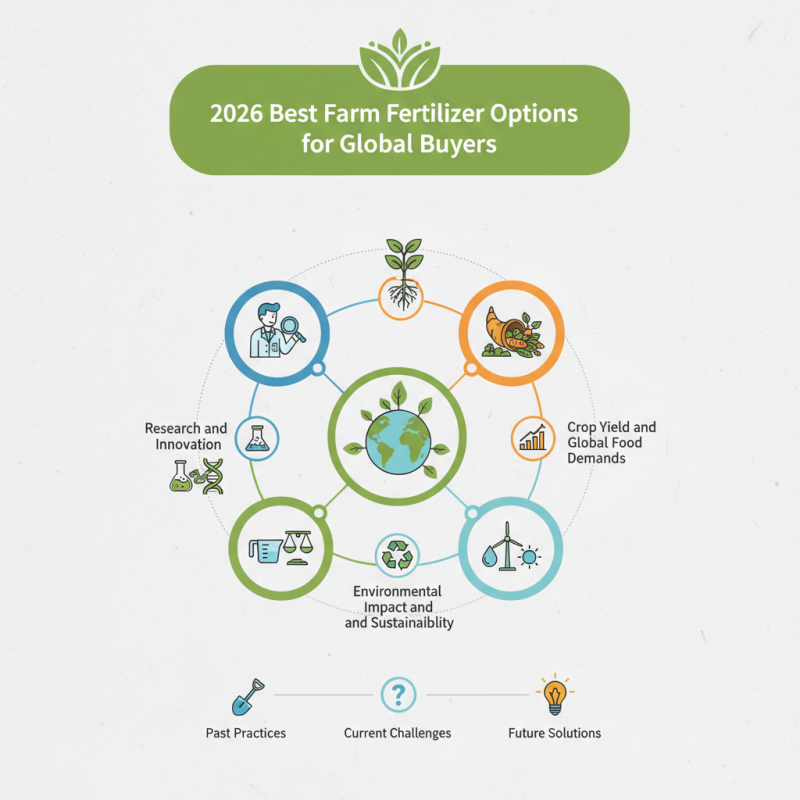
When considering the best farm fertilizer options for 2026, it's essential to focus on sustainability and effectiveness. Farmers face unique challenges, including soil health and environmental impact. A balanced approach can lead to better crop yields without harming ecosystems.
Organic fertilizers are gaining attention due to their low environmental footprint. They improve soil structure and promote microbial life, contributing to nutrient availability. However, results may vary based on soil type and climate conditions. Some farmers might need to experiment with different organic mixes to find the most suitable.
On the other hand, synthetic fertilizers continue to play a significant role in modern agriculture. They offer precise nutrient control and quick results but can lead to soil degradation if overused. Finding the right balance between synthetic and organic fertilizers is crucial. Continuous learning and adapting are essential for achieving sustainable agricultural practices.
Key Factors to Consider When Choosing Fertilizers
When selecting fertilizers, understanding the nutrient needs of your crops is essential. Soil health directly impacts crop yield. Conducting a soil test helps identify nutrient deficiencies. This knowledge guides your fertilizer choice, ensuring your plants receive what they need.
Additionally, consider the environmental impact of fertilizers. Sustainable farming practices require balanced nutrient management. Excessive fertilizer use can lead to runoff and pollution. It is crucial to find a balance between crop needs and environmental stewardship. Look for organic options that enrich the soil while minimizing harm.
Finally, be aware of local regulations surrounding fertilizer application. Different regions have varying requirements. Understanding these can prevent legal issues and promote better practices. Regular updates on these laws can also refine your approach. Make informed choices rooted in both expertise and experience.
2026 Best Farm Fertilizer Options for Global Buyers
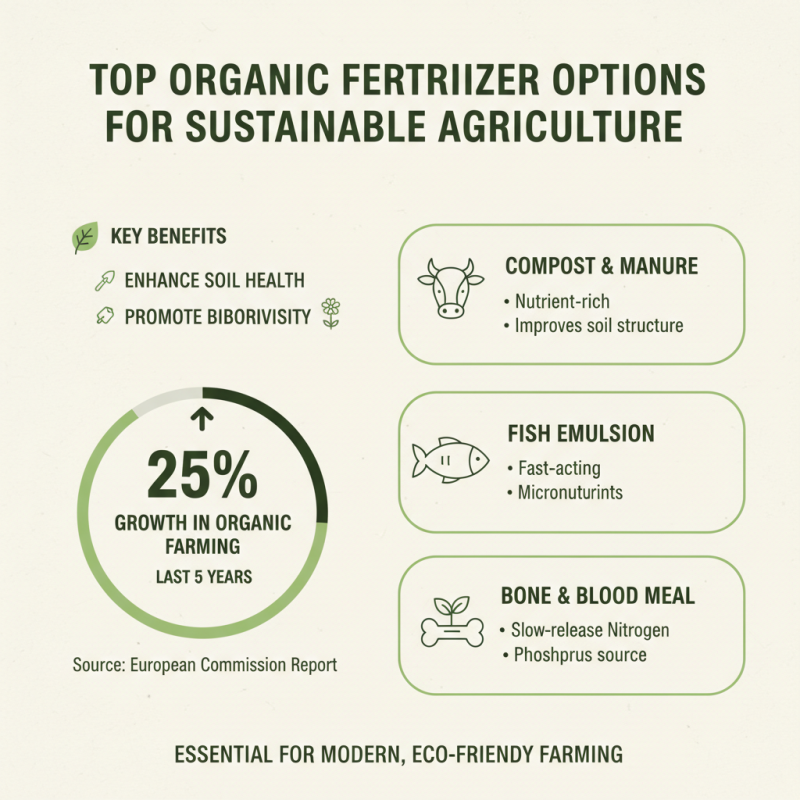
Top Organic Fertilizer Options for Sustainable Agriculture
In the realm of sustainable agriculture, organic fertilizers play a critical role. According to the European Commission's report, organic farming has grown by 25% in the last five years. This surge underscores the increasing demand for sustainable solutions. Organic fertilizers enhance soil health and promote biodiversity, making them essential in modern farming practices.
One popular option is compost, which enriches the soil with nutrients. A study conducted by the Rodale Institute found that fields using organic compost produced 20% higher yields compared to conventional methods. However, farmers often face challenges with nutrient management. Understanding the nutrient content in compost requires careful analysis. Not all compost is created equal; some may lack essential elements.
Another promising option is biochar, derived from biomass. It improves soil structure and retains moisture efficiently. Research indicates that biochar can reduce the need for chemical fertilizers by up to 30%. Despite its benefits, the carbon sequestration potential of biochar remains debated. More studies are needed to validate long-term impacts on soil ecosystems. Farmers must weigh the advantages alongside uncertainties before adoption.
Innovative Synthetic Fertilizers for Enhanced Crop Yields
Innovative synthetic fertilizers play a crucial role in enhancing crop yields for global buyers in 2026. These fertilizers are designed to deliver nutrients effectively to plants, ensuring optimal growth and maximum productivity. With an increasing demand for food worldwide, farmers need reliable solutions. These fertilizers provide precise nutrient formulations that can be tailored to various soil types and crop requirements.
Consider experimenting with slow-release fertilizers. They offer a steady supply of nutrients over time. This can minimize loss through leaching and ensure plants have access to essential nutrients for longer periods. Additionally, look into formulations that enhance soil health. Healthier soils support better crop yields in the long run.
Another important aspect is the environmental impact. While synthetic options can boost productivity, they can also lead to soil degradation if overused. Reflect on methods to combine synthetic fertilizers with organic practices. This integrated approach can improve soil structure and microbial activity. A balanced strategy often yields better results than relying solely on synthetic inputs.
Regional Preferences and Market Trends in Farm Fertilizers
Understanding regional preferences is crucial when selecting farm fertilizers in 2026. Asia-Pacific regions favor nitrogen-based fertilizers due to their intensive rice cultivation. According to the International Fertilizer Association, nitrogen fertilizer demand in Asia grew by 3.5% annually over the past five years. Meanwhile, Europe shows increasing interest in bio-fertilizers, driven by sustainability goals and strict environmental regulations. This shift affects market supply and pricing patterns globally.
In North America, farmers lean towards customized fertilizer blends. These blends optimize soil health and crop yield amid varying climatic conditions. The USDA reported a 12% rise in precision agriculture practices incorporating variable-rate fertilizer application in recent years. However, the challenge remains to balance cost-efficiency with environmental impact. Some regions lack access to advanced technology, slowing progress.
Tips: Test soil regularly to avoid nutrient overuse. Monitor local trends to adapt your fertilizer strategy. Keep an eye on regulatory changes that might affect product availability or composition. Global buyers should consider regional needs carefully to achieve sustainable results.
2026 Best Farm Fertilizer Options for Global Buyers
| Fertilizer Type |
Nutrient Composition (%) |
Region of Preference |
Market Trend |
Average Price (USD per Ton) |
| Nitrogen Fertilizer |
30-40 |
North America |
Increasing Demand |
450 |
| Phosphate Fertilizer |
10-20 |
South America |
Stable |
400 |
| Potassium Fertilizer |
50-60 |
Europe |
Increasing Adoption |
520 |
| Organic Fertilizer |
Varies |
Asia |
Growing Trend |
600 |
| Slow Release Fertilizer |
15-25 |
Oceania |
Rising Interest |
700 |