Top Benefits of Using Ag Fertilizer for Optimal Crop Growth?
Ag fertilizers are essential for boosting crop growth. Experts emphasize their significance in modern agriculture. Dr. Emily Thompson, an agronomy specialist, states, "Proper use of ag fertilizer can dramatically improve yield." This highlights the critical role ag fertilizers play in ensuring food security.
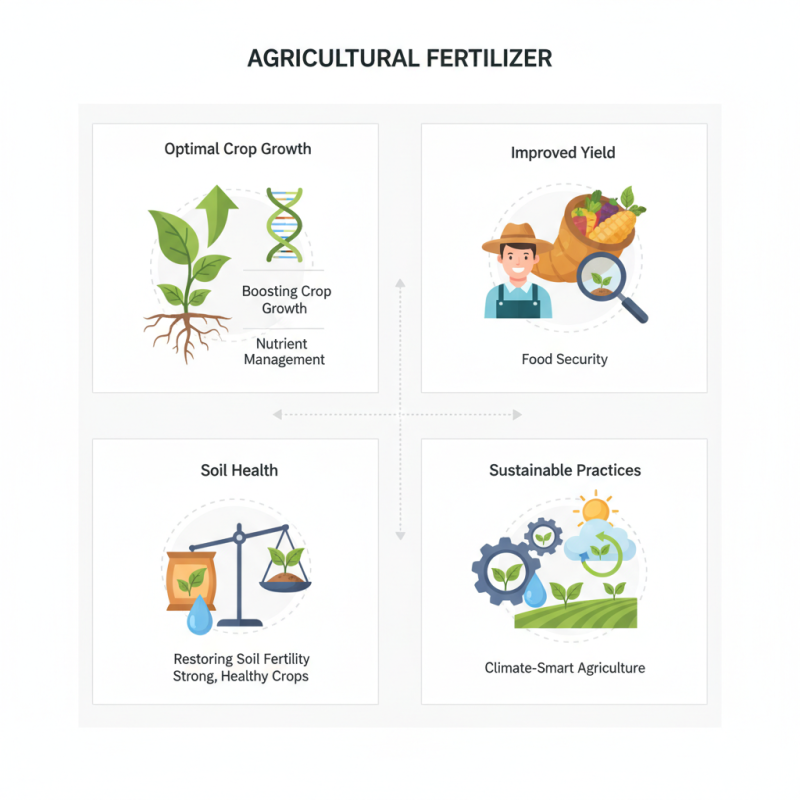
Agriculture faces numerous challenges today. Farmers must address soil health, nutrient management, and crop productivity. Ag fertilizers offer solutions, providing necessary nutrients to plants. They help restore soil fertility and enhance crop resilience. Properly applied, they can lead to strong and healthy crops.
However, the use of ag fertilizers is not without controversy. Some farmers worry about over-reliance on chemical inputs. There is also concern about environmental impacts. It’s crucial to find a balance. Sustainable practices can complement ag fertilizer use, creating a pathway for climate-smart agriculture.
What is Ag Fertilizer and Its Role in Agriculture?
Ag fertilizer, or agricultural fertilizer, plays a vital role in modern farming. It provides essential nutrients like nitrogen, phosphorus, and potassium. These nutrients are crucial for plant growth. They help crops develop strong roots and vibrant foliage. In many cases, without these fertilizers, yields would be dramatically lower. Many farmers rely on them to enhance productivity.
However, using ag fertilizers isn't without its challenges. Overuse can lead to nutrient run-off, contaminating water sources. Additionally, some regions face soil degradation due to excessive chemical inputs. Farmers need to find a balance. Understanding soil health and crop needs is essential. Practices like soil testing can guide appropriate fertilizer use.
The benefits of ag fertilizers are clear, yet their application can be complex. Responsible usage is key. Sustainable practices should be prioritized. With proper management, the positive impact on crop growth can be maximized. Trusting science while listening to nature is necessary for future generations.
Key Nutrients Found in Ag Fertilizer for Crop Growth
Agricultural fertilizers play a vital role in enhancing crop growth. They provide essential nutrients that plants need to thrive. Two key nutrients found in fertilizers are nitrogen and phosphorus. Nitrogen promotes strong leaf growth and enhances the green color of plants. Phosphorus, on the other hand, supports root development and helps plants store energy.
It's important to apply these nutrients appropriately. Over-fertilizing can lead to nutrient runoff, harming local ecosystems. Testing soil before application ensures you know what your crops truly need. This can help in making informed decisions.
Another crucial nutrient is potassium. It aids in water retention and strengthens plants against diseases. Crops with adequate potassium show higher resilience during dry spells. Implementing micro-dosing strategies could be beneficial. Small, frequent applications might provide plants with what they need without overwhelming them. Always observe your crop response to any fertilizer application. Adjustments may be necessary based on their needs.
Top Benefits of Using Ag Fertilizer for Optimal Crop Growth
This chart illustrates the key nutrients found in agricultural fertilizers and their impact on crop growth, demonstrating the significance of each nutrient in optimizing yield.
Benefits of Ag Fertilizer on Soil Health and Fertility
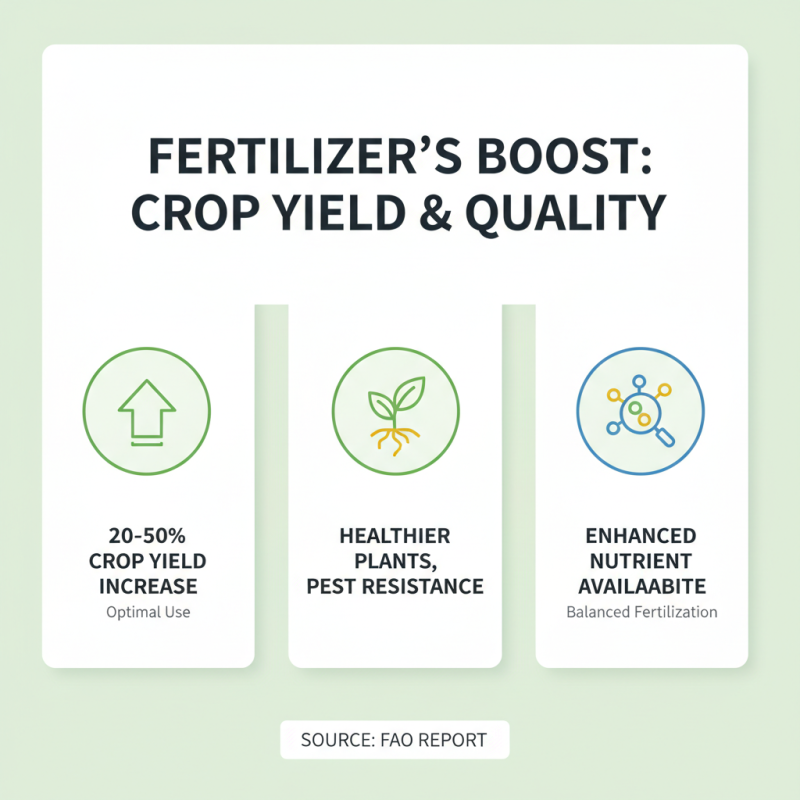
Using ag fertilizer can significantly enhance soil health and fertility. Healthy soil is crucial for optimal crop growth. Fertilizers provide essential nutrients like nitrogen, phosphorus, and potassium. These nutrients help plants thrive and improve their resilience against pests. When these elements are absent, soil quality suffers, leading to poor crop yields.
However, reliance on fertilizers must be balanced. Overuse can lead to soil degradation. Excess nutrients may runoff into waterways, causing pollution. Farmers should consider soil testing to determine specific needs. Organic matter, like compost, can also boost fertility without the downsides of heavy chemical use.
Thinking about soil health encourages better farming practices. Integrating cover crops helps maintain soil structure. Crop rotation is another practical method. These techniques promote the natural nutrient cycle and foster biodiversity. It’s important to remember that sustainable agriculture isn’t just about meeting immediate crop demands. Long-term soil health must also be prioritized for future generations.
Top Benefits of Using Ag Fertilizer for Optimal Crop Growth
| Benefit |
Description |
Impact on Soil Health |
Impact on Crop Yield |
| Enhanced Nutrient Availability |
Ag fertilizers provide essential nutrients that increase crop vigor and resilience. |
Improves microbe activity and nutrient cycling. |
Increases average yield by up to 30%. |
| Improved Soil Structure |
Regular use of fertilizers can enhance soil texture, leading to better aeration and water retention. |
Promotes earthworm populations and organic matter decomposition. |
Promotes healthier plants with higher productivity. |
| pH Balance Maintenance |
Fertilizers can help to stabilize soil pH levels, making nutrients more available to plants. |
Prevents soil acidification and toxic element mobilization. |
Maximizes the uptake of nutrients, leading to better growth. |
| Increased Crop Resilience |
Proper fertilization can strengthen plants against pests and diseases. |
Supports microbial health, contributing to plant health. |
Translates to reduced crop loss and better quality produce. |
| Sustainable Farming Practices |
Utilizing ag fertilizers responsibly can contribute to sustainable agriculture. |
Enhances the long-term fertility of the soil. |
Ensures consistent yields over time without soil degradation. |
Sustainable Practices in the Use of Ag Fertilizer for Agriculture
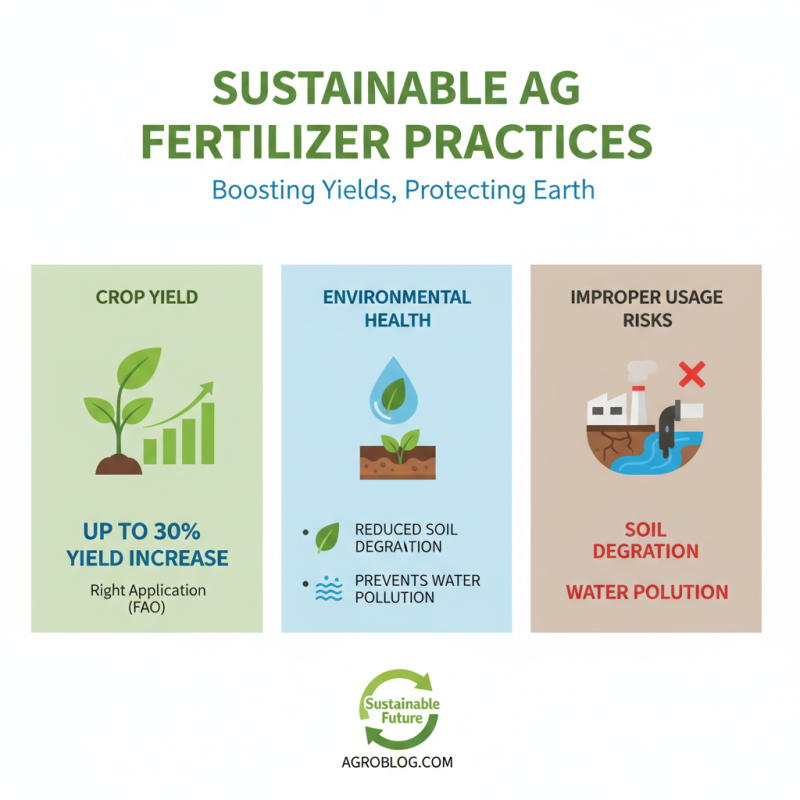
Sustainable practices in using ag fertilizer can significantly impact crop yield and environmental health. The global agriculture sector relies heavily on fertilizers. In fact, a report by the Food and Agriculture Organization (FAO) indicates that the right fertilizer application can boost yields by up to 30%. However, improper usage can lead to soil degradation and water pollution.
Optimizing fertilizer application is essential. According to a study by the International Fertilizer Association, using precision agriculture techniques can reduce fertilizer waste by 20%. This method involves using technology to assess crop needs accurately. Farmers can apply fertilizers based on real-time data, minimizing overuse. But challenges persist. Many farmers struggle with adopting these technologies due to high initial costs.
Education is key for sustainable practices. Training programs can help farmers understand soil health and nutrient requirements better. A survey found that 65% of farmers expressed interest in learning about sustainable fertilizer practices. Yet, only 30% have access to training resources. There’s a disconnect between innovation and practical application. Addressing these gaps will be crucial for promoting sustainable agriculture and enhancing crop growth.