2026 Top Green Fertilizer Innovations for Sustainable Agriculture?
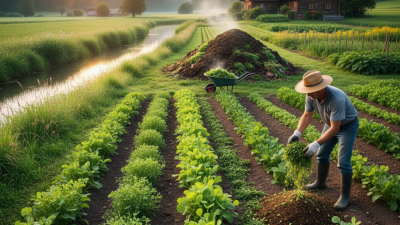
In the quest for sustainable agriculture, green fertilizers are becoming essential. They help improve soil health and reduce chemical reliance. As Dr. Emily Johnson, a leading expert in eco-friendly farming solutions, stated, "Green fertilizers not only enhance crop yields but also protect our planet."
Innovations in this field are promising. They range from biofertilizers to natural composts. These alternatives can minimize environmental impact. However, challenges remain. Many farmers are unsure about switching from conventional methods. There is a need for education and research on best practices.
Consumer demand for sustainability drives this change. As awareness grows, so does the exploration of green fertilizer solutions. The future lies in developing effective and accessible options, but we must stay vigilant. Balancing productivity and eco-friendliness is crucial for the industry’s success.
Emerging Trends in Green Fertilizer Technologies for 2026
As we approach 2026, green fertilizer technologies are gaining momentum. These innovations aim to enhance crop yields while minimizing environmental impact. Recent research highlights the use of bio-based fertilizers derived from organic waste. This method reduces landfill waste and enriches soil health effectively.
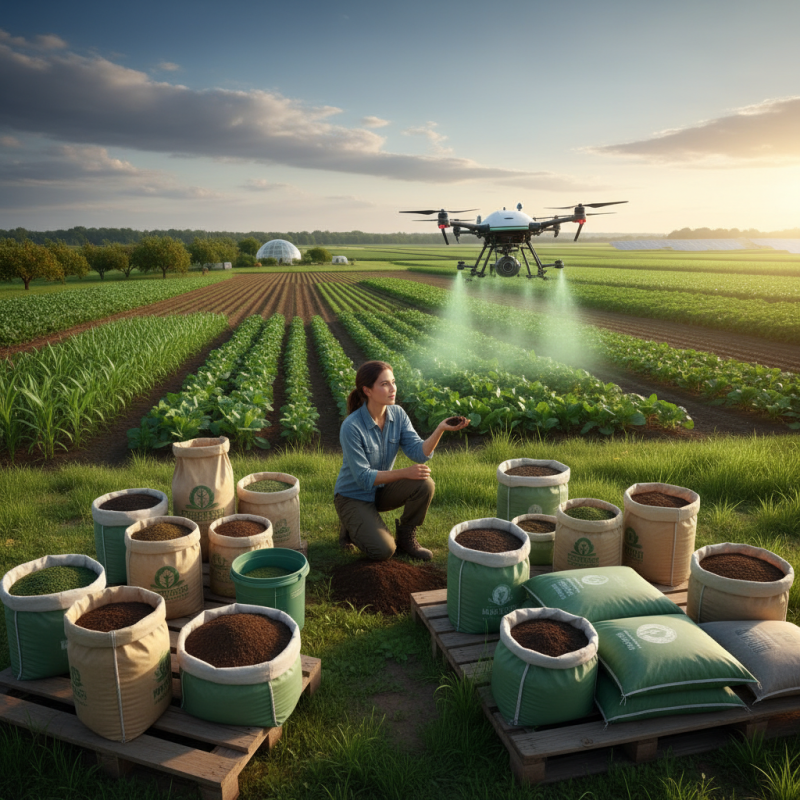
Emerging trends also include the integration of smart technology. Sensors and data analytics help farmers optimize fertilizer application. Real-time feedback provides insights into soil conditions. However, the implementation of these technologies presents challenges. Many farmers lack the resources for initial investment and training. Bridging this gap is essential for widespread adoption.
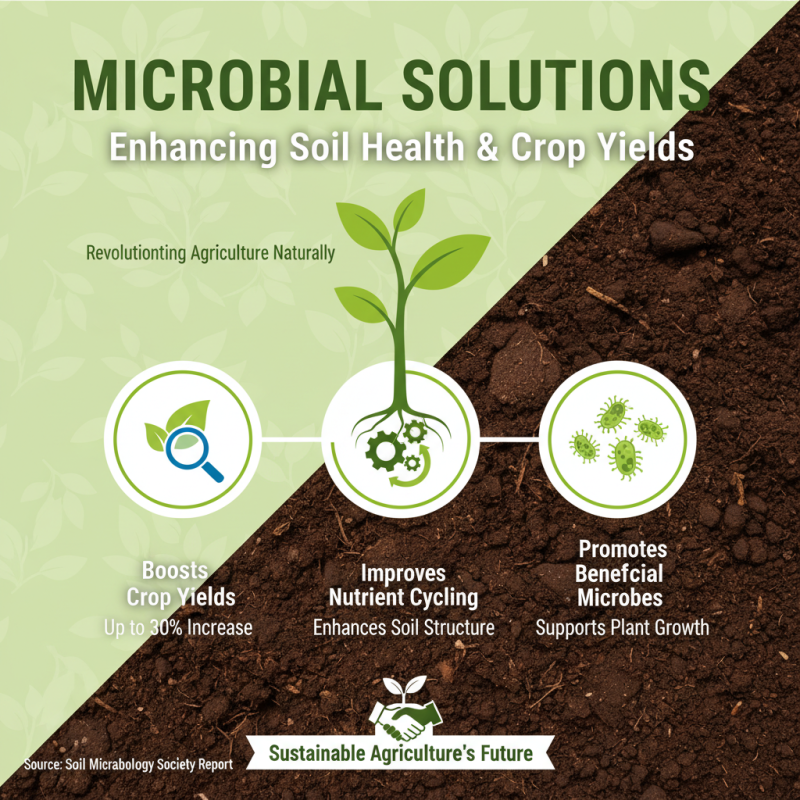
Additionally, there is a growing interest in microbial fertilizers. These products utilize beneficial microorganisms to boost plant growth. While studies indicate their potential, long-term effects are still under scrutiny. Farmers may be hesitant to switch due to uncertainty. Ongoing research and pilot programs could provide clarity. Understanding these innovations can empower sustainable agriculture and foster a greener future.
2026 Top Green Fertilizer Innovations for Sustainable Agriculture
| Innovation |
Description |
Key Benefits |
Development Stage |
| Biochar Enhancements |
Using treated biomass to improve soil health and sequester carbon. |
Improves soil fertility, retains moisture. |
Market Ready |
| Microbial Fertilizers |
Utilization of beneficial bacteria and fungi to enhance nutrient availability. |
Enhances nutrient uptake, reduces chemical fertilizer need. |
Pilot Testing |
| Recycled Nutrient Products |
Fertilizers made from recycled organic waste. |
Sustainable, reduces waste, offers local nutrient solutions. |
Research Phase |
| Smart Fertilization Technologies |
IoT and AI-driven systems for precision fertilization. |
Optimizes input use, minimizes environmental impact. |
Prototype Testing |
| Plant-Enhancing Natural Extracts |
Natural extracts that promote plant growth and health. |
Improves growth, enhances resilience to stress. |
Commercial Trials |
Biodegradable and Organic Fertilizers: Benefits and Innovations
The demand for sustainable agriculture continues to rise, highlighting the need for innovative solutions in fertilization. Biodegradable and organic fertilizers have gained significant attention for their ecological benefits. A recent report by the Food and Agriculture Organization indicates that over 40% of global agricultural land is at risk due to worsening soil health. This underscores the necessity for sustainable practices.
Biodegradable fertilizers, such as those derived from plant waste, can enrich soil while breaking down naturally. They reduce the need for synthetic chemicals, which often lead to pollution. A study from the International Fertilizer Association suggests that organic fertilizers can improve soil structure and biodiversity. Interestingly, despite these benefits, many farmers remain skeptical about their effectiveness compared to synthetic options.
While organic options show promise, challenges remain. For instance, performance can vary greatly based on soil conditions and crop types. Additionally, the cost of production may hinder widespread adoption. Trends show that growers need education and support to better understand the benefits. Balancing innovation with practicality is key to ensuring that these sustainable practices become mainstream in agriculture.
2026 Top Green Fertilizer Innovations for Sustainable Agriculture
Smart Fertilizer Systems: Precision Agriculture and Data Integration
In recent years, the integration of smart fertilizer systems has transformed precision agriculture. These systems use data from sensors, satellites, and soil analysis to optimize fertilizer application. A recent report by the Food and Agriculture Organization (FAO) highlighted that precision agriculture technology could reduce fertilizer use by up to 30%. This not only lowers costs but also minimizes environmental impact.
The effectiveness of smart systems relies heavily on accurate data. Farmers can monitor crop health in real time, allowing for timely interventions. However, data overload can lead to decision paralysis. A 2022 study noted that many farmers struggle to interpret complex data, which can affect their ability to make informed decisions. Thus, the challenge lies in ensuring user-friendly interfaces that help farmers leverage this data effectively.
Field trials have shown significant yield increases with smart fertilization techniques. Yet, some regions have reported inconsistent results, raising questions about the adaptability of these technologies. Soil types, local climate, and crop varieties all influence outcomes. As we innovate, a critical view of these systems’ applicability across diverse agricultural landscapes is essential for sustainable practices.
Case Studies: Successful Adoption of Green Fertilizers in Agriculture
The sustainable agriculture movement is gaining momentum with green fertilizers leading the way.
Case studies from various regions show how farmers have successfully integrated these innovative products.
For instance, an organic farm in the Midwest switched to a biostimulant derived from seaweed. The result? Improved crop yields and healthier soil.
This highlights the potential of natural ingredients.
Another example comes from a small farm in Europe. They adopted compost tea and witnessed a marked decrease in pests.
The farmers reported a thriving ecosystem on their land. Yet, challenges remain. Some growers note inconsistent results and a steep learning curve.
Understanding the precise application rates is crucial for success.
These stories reflect diverse experiences in using green fertilizers. Each case presents unique challenges and victories.
The journey toward sustainable agriculture is complex. Farmers are learning through trial and error.
The evolving landscape means continuous adaptation and reflection on best practices in green fertilizer use.