2026 Best Ball End Mill Options for Precision Machining?
When it comes to precision machining, choosing the right tools is crucial. The "Ball End Mill" is a favorite among machinists. Industry expert John Smith stated, "A reliable Ball End Mill can make or break your project." His insight underscores the importance of selecting the best options available.
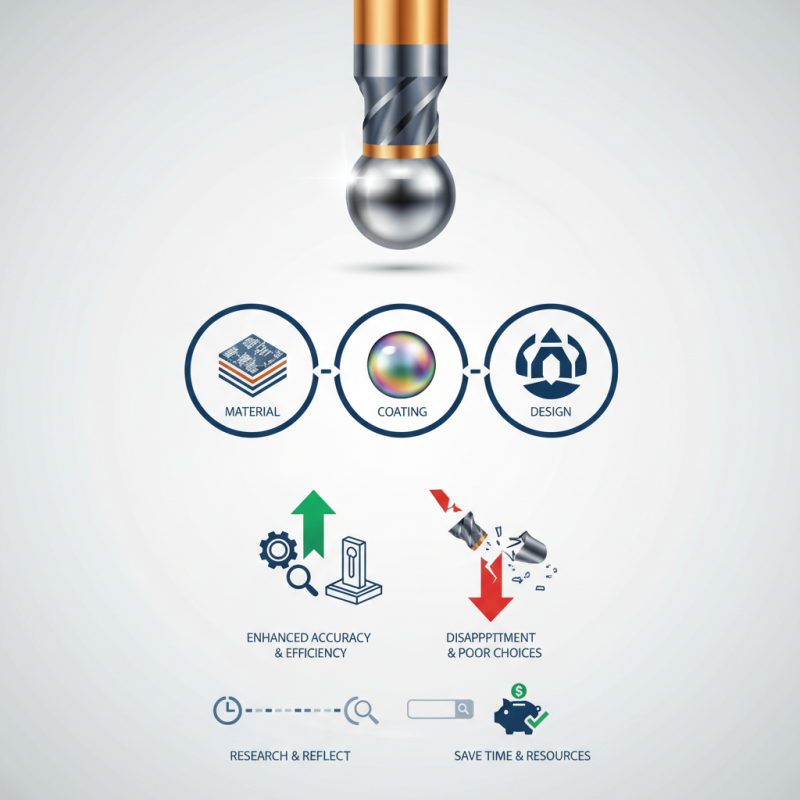
For optimal performance, it's essential to consider material, coating, and design of the Ball End Mill. High-quality options can enhance accuracy and efficiency. However, not all products live up to expectations. Many professionals have experienced disappointment due to poor choices. Learning from these experiences can lead to better decisions.
In 2026, the market offers a variety of Ball End Mill options. While some brands shine, others fall flat. It's vital to research and reflect on previous purchases. Investing in the right tool can save time and resources. Don't overlook the details; they matter more than you think.
Overview of Best Ball End Mill Options for Precision Machining
When selecting the best ball end mill options for precision machining, there are several key aspects to consider. The geometry of the end mill plays a vital role in achieving the desired surface finish and dimensional accuracy. A small radius allows for tighter curves, but it may struggle with larger materials. Choosing the right diameter is equally essential, as it impacts the cutting depth and stability during operation.
Material types matter too. High-speed steel offers good durability but may not withstand high temperatures like carbide. Carbide options can handle heavier workloads and provide longer tool life. However, they can be more brittle, which could lead to chipping in some cases. Carefully assessing these factors ensures compliance with project requirements while maximizing productivity.
Many users often overlook the importance of tool coating. Coatings can enhance performance by reducing friction and increasing the lifespan of the tool. However, selecting the wrong coating may do more harm than good. Feedback from machinists suggests a balance between performance and coating longevity is essential. Understanding these nuances can lead to more informed decisions and better machining outcomes.
Key Features to Consider When Selecting Ball End Mills
When selecting ball end mills for precision machining, several key features should be considered. The diameter of the ball end mill influences the size and detail of the cuts. Smaller diameters allow for intricate designs. However, they may not handle larger materials well. A balance between size and function is essential.
The flute design also plays a crucial role. Flute counts, shape, and angles affect chip removal and surface finish. More flutes typically mean smoother finishes but can limit the removal of material. Cutting speeds must be adjusted based on the number of flutes to avoid tool wear.
Material composition is vital as well. High-speed steel and carbide are common options, each with its advantages. Carbide is durable but more brittle. High-speed steel offers flexibility. The choice depends on the specific machining task. Evaluate your needs carefully. Not every tool fits every job. Sometimes, a less popular option may yield better results. This requires a willingness to experiment and learn from mistakes.
Top Manufacturers and Brands of Ball End Mills in 2026
In 2026, the demand for ball end mills in precision machining is projected to rise significantly. Industry data predicts an increase in market share by approximately 15% in the next five years. This growth can be attributed to advancements in manufacturing technologies and the increasing need for intricate part designs.
Top manufacturers play a critical role in shaping this landscape. They focus on materials that enhance durability and precision. Innovations in coatings often lead to better wear resistance. Several industry reports indicate that carbide end mills outperform traditional options, offering superior performance in various machining processes.
However, challenges persist. Many fabricators struggle with the initial investment in high-quality tools. This can deter smaller companies from accessing advanced technology. Moreover, selecting the right tool for specific applications remains a complex task. Manufacturers must address these gaps by providing clearer information and support. The evolving market demands both innovation and education to ensure precision machining continues to thrive.
2026 Best Ball End Mill Options for Precision Machining
Comparative Analysis of Material Types for Ball End Mills
When it comes to choosing the best ball end mills for precision machining, material type plays a critical role. Common materials include high-speed steel (HSS), carbide, and cobalt. Each has unique properties that affect performance and longevity. HSS offers good toughness and wear resistance, but may not hold up as well under extreme conditions. Carbide, while more brittle, shines in high-speed applications and provides superior rigidity. Cobalt bridges the gap, offering more heat resistance than HSS, but still falls short of carbide in terms of wear rates.
Tips: Always evaluate the specific needs of your machining tasks. Consider factors like material hardness and cutting speeds. Selecting the right material can prevent premature failure and save costs.
In a world of precision, the right end mill can make all the difference. Yet, mistakes are common. For instance, some machinists overlook manufacturer recommendations on spindle speed. This oversight can lead to faster tool wear. Others fail to factor in coolant use, which can dramatically affect tool life. Adjustments in these areas can provide better outcomes and reduce waste.
Applications and Industries Benefiting from Ball End Mills
Ball end mills are essential tools in precision machining. They excel in creating three-dimensional shapes with intricate details. Industries such as aerospace, automotive, and medical greatly benefit from these tools. Their versatility allows for a wide range of applications, from sculpting complex geometries to creating smooth surfaces.
Many manufacturers find ball end mills useful for contouring. This technique is prevalent in mold making. The fine cutting edges lead to high-quality finishes. Whether working with metals, plastics, or composites, these tools provide exceptional results. Precision is vital in most projects, and the right ball end mill can make a significant difference.
Tips: When selecting a ball end mill, consider the material you're cutting. Different materials require different cutting speeds. Ensure you match the right diameter and length for your application. Proper tool maintenance is key. Regularly check for wear and replace as needed to maintain optimal performance.